4 DaysRussiaprovince
Kaluzhskaya Oblast’
Your 4-day travel guide
The ideal time to visit Kaluzhskaya Oblast' is from May to September when temperatures are mild and most attractions are...
Kaluzhskaya Oblast’•4D•All
Kaluzhskaya Oblast’, Russia
Duration:4 Days
Activities:12
Best for:All travelers
Historic Heartlands and Culinary Traditions of Central Russia
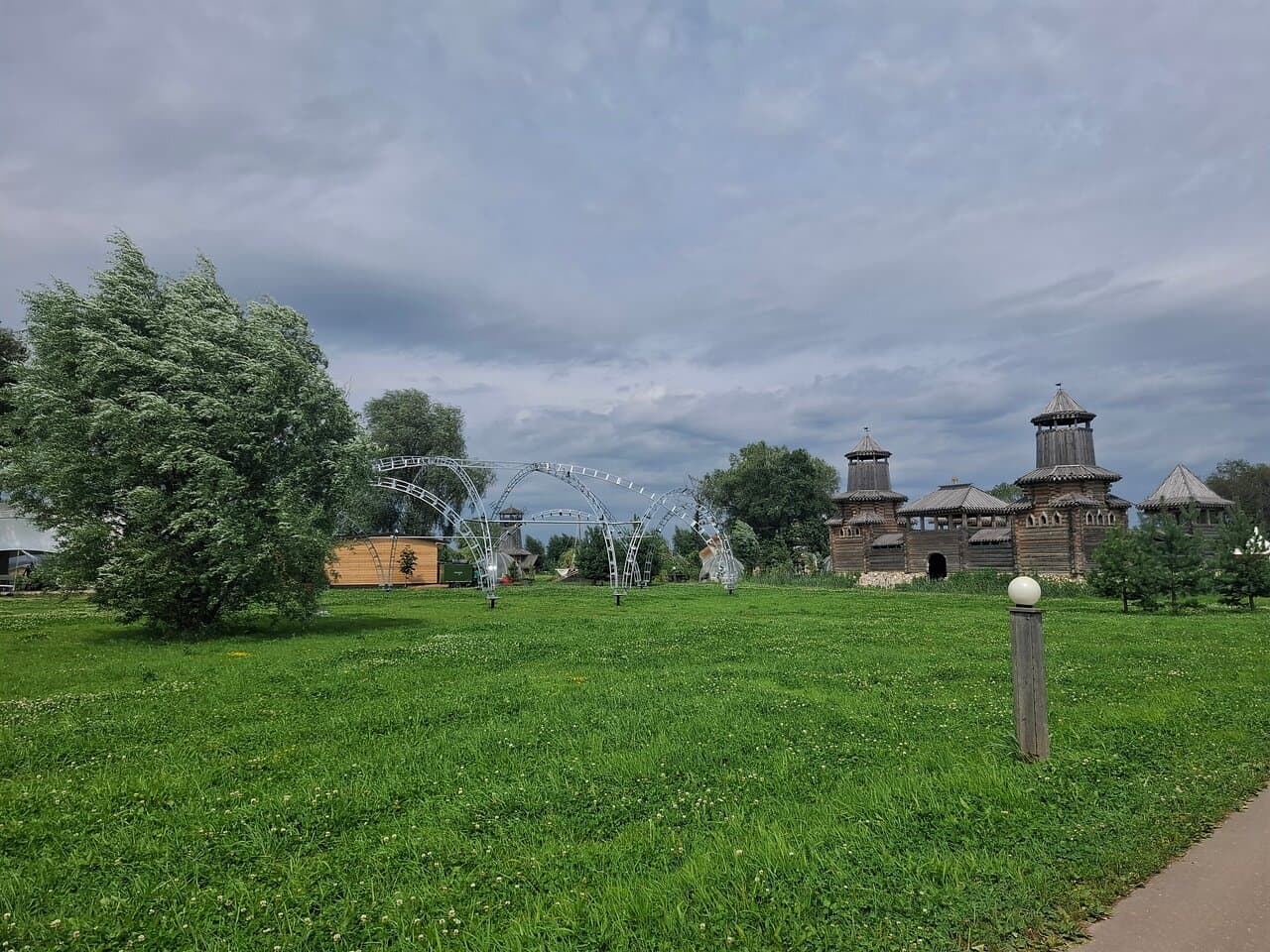
Kaluzhskaya Oblast', located southwest of Moscow, offers a rich tapestry of Russian history, culture, and natural beauty. This region is known for its significant role in Russian space exploration, historic monasteries, and traditional wooden architecture. For couples seeking a cultural and culinary journey, it provides an authentic experience away from major tourist crowds. You'll explore provincial capitals, spiritual centers, and charming towns where local hospitality and regional specialties create memorable moments. The area's manageable size allows for a relaxed pace, perfect for discovering hidden gems and enjoying intimate experiences together.
Get Real Local Advice
Ask someone who actually lives in Kaluzhskaya Oblast’
1
Historic Kaluga and Space Exploration
Day 1 of your journey
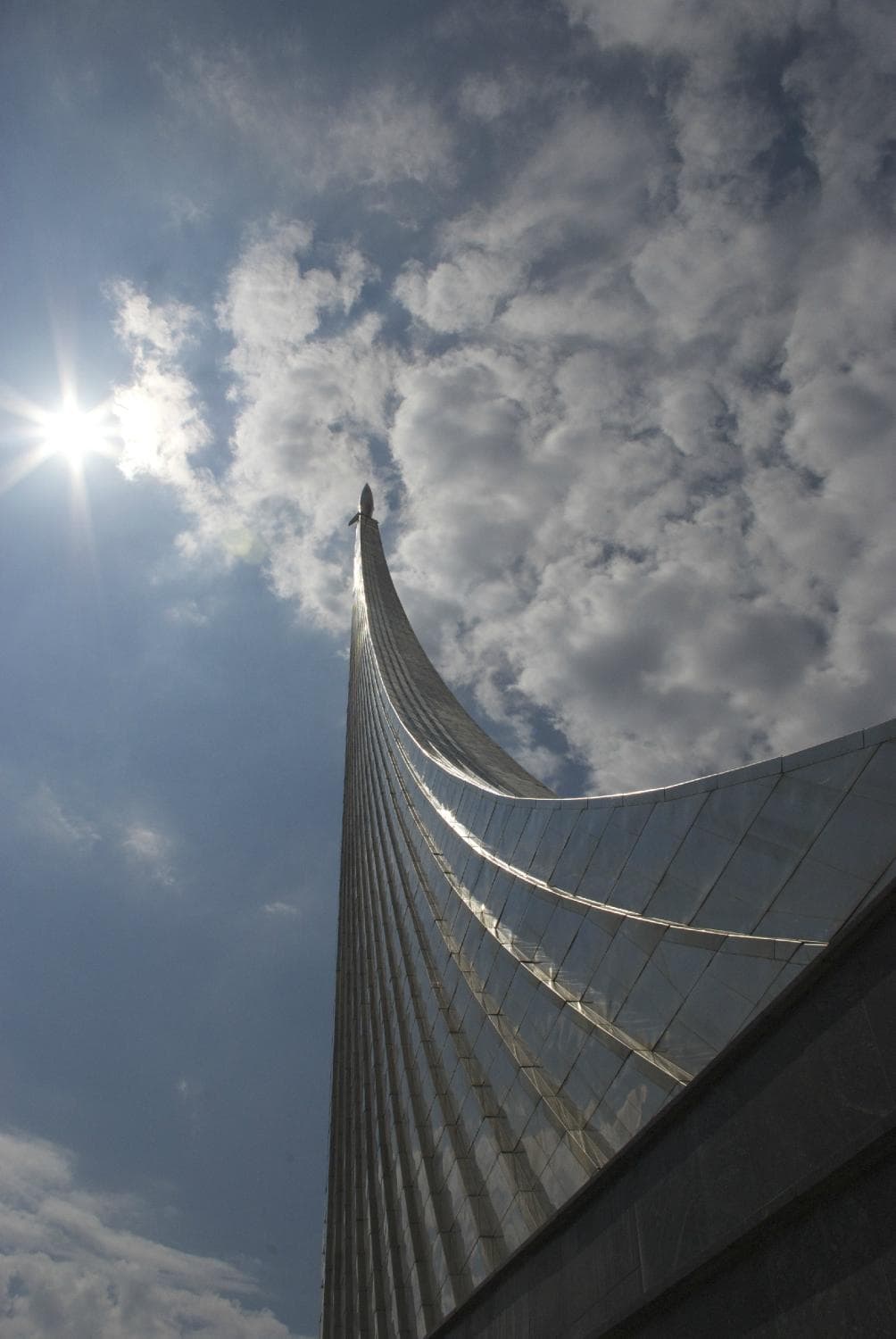
This museum is dedicated to Konstantin Tsiolkovsky, the father of theoretical cosmonautics, and showcases Russia's space achievements. You'll see actual spacecraft, space suits, and interactive exhibits about space exploration. The museum typically requires 2-3 hours to fully appreciate. Visit on weekdays to avoid school group crowds. The adjacent park offers nice views of the Oka River, perfect for a stroll afterward.
Tsiolkovsky State Museum of the History of Cosmonautics
Why Visit
As the world's first museum dedicated to space exploration history, it offers unique insight into Russia's pioneering role in cosmonautics. The collection includes genuine artifacts from space missions, providing an authentic educational experience. For couples interested in science and history, it's a fascinating shared discovery that connects to Kaluga's identity as the 'Cradle of Cosmonautics.'
Address: 2 Korolev Street. Purchase tickets online in advance during peak seasons. The museum cafe serves simple Russian snacks if you need a break. Don't miss the Vostok rocket replica outside the main building.
2
Spiritual Heritage and Provincial Charm
Day 2 of your journey
3
Military History and Local Crafts
Day 3 of your journey
4
Science City and Culinary Farewell
Day 4 of your journey
Before You Go
Essential Travel Tips
Russian rubles are essential as credit cards may not be accepted everywhere, especially in smaller towns
Basic Russian phrases are helpful as English proficiency varies outside major hotels and museums
Dress modestly when visiting religious sites, with women covering heads and shoulders in churches
Public transportation between cities is limited; renting a car provides the most flexibility
Museum opening hours can vary, so check specific websites or call ahead during your visit
Spring and autumn offer the most comfortable weather for exploring outdoor sites
Tap water is generally safe in cities but bottled water is widely available and inexpensive
WiFi is available in most hotels and some cafes, but mobile data coverage is reliable throughout the region
When to Go
Best Time to Visit
The ideal time to visit Kaluzhskaya Oblast' is from May to September when temperatures are mild and most attractions are fully accessible. Late spring (May-June) offers blooming landscapes and fewer tourists. Summer (July-August) has the warmest weather but can be more crowded with Russian vacationers. Early autumn (September) provides pleasant temperatures and colorful foliage. Winter months (December-February) can be very cold with snow, limiting some outdoor activities but offering a different atmospheric experience. Some smaller museums may have reduced hours outside peak season.
Local Insights & Tips
Kaluzhskaya Oblast' maintains strong traditional Russian customs alongside its scientific achievements. Hospitality is important, with locals often welcoming to respectful visitors. The region has a slower pace than Moscow, reflecting its provincial character. When visiting homes or certain establishments, removing shoes is customary. Tipping in restaurants is appreciated but not mandatory, with 10% being standard for good service. The area has a rich literary and artistic heritage, with several towns associated with famous Russian writers and painters. Local festivals celebrating historical events, religious holidays, and agricultural traditions occur throughout the year, offering opportunities to experience community life. Traditional crafts like woodworking, pottery, and embroidery continue to be practiced, supporting cultural preservation.