4 DaysRussiaprovince
Smolenskaya Oblast’
Your 4-day travel guide
The best time to visit Smolenskaya Oblast' is from late May to early September, when the weather is mild and pleasant, w...
Smolenskaya Oblast’•4D•All
Smolenskaya Oblast’, Russia
Duration:4 Days
Activities:12
Best for:All travelers
Medieval Fortresses and Russian Heartland Cuisine
Smolenskaya Oblast' offers a journey through Russia's layered history, where medieval fortifications stand alongside Soviet memorials in a region that has witnessed pivotal moments. Located in western Russia, this area provides a more authentic experience than major tourist centers, with its rolling hills, dense forests, and the Dnieper River flowing through. For couples interested in culture and food, it presents a perfect blend of historical exploration and culinary discovery, from ancient kremlins to traditional Russian dishes served in cozy settings. The pace is relaxed, ideal for immersive experiences without the crowds.
Get Real Local Advice
Ask someone who actually lives in Smolenskaya Oblast’
1
Historic Smolensk and Local Flavors
Day 1 of your journey
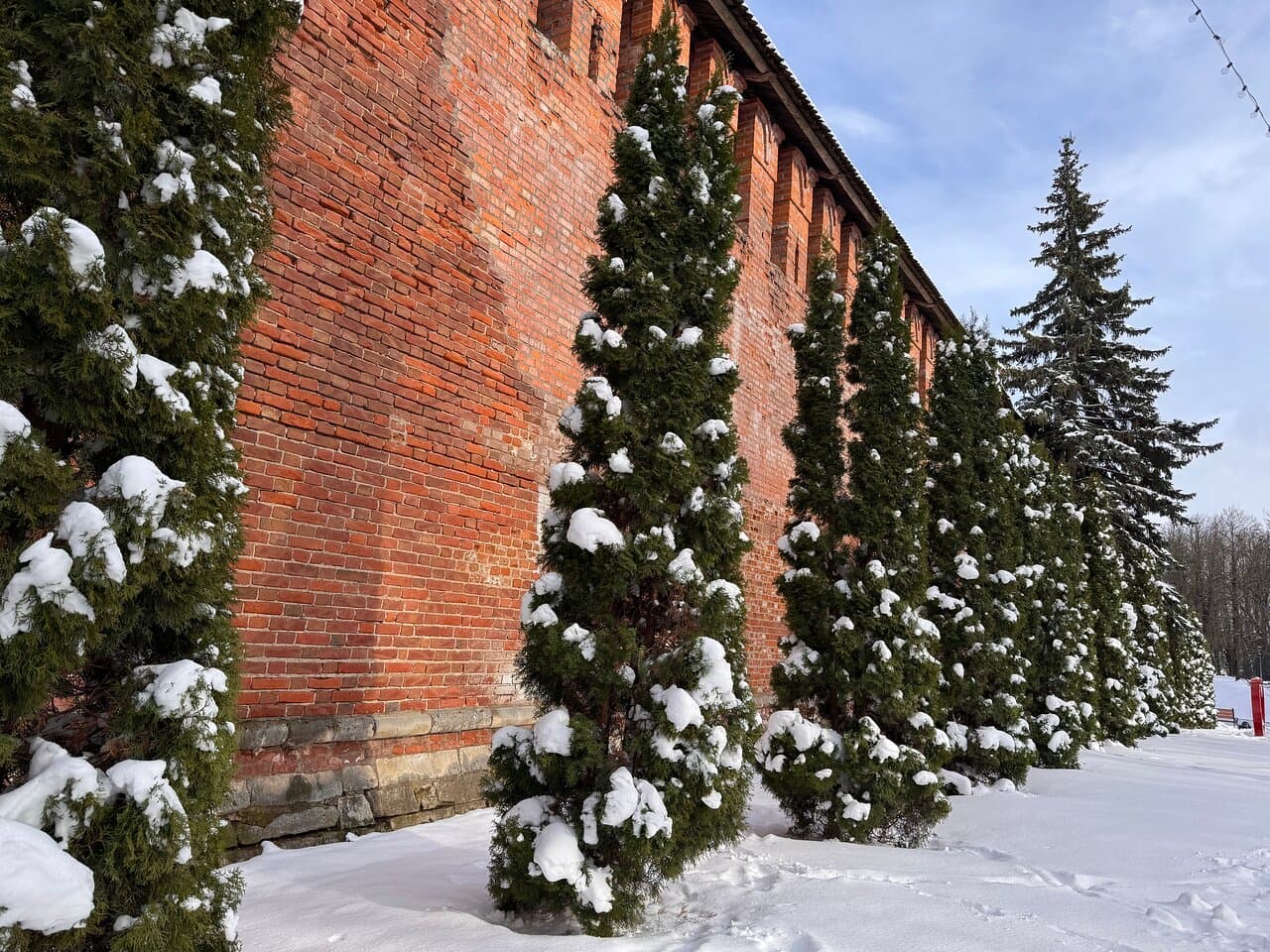
The Smolensk Fortress Wall is a massive 16th-century defensive structure, one of the largest in Russia, with surviving towers and sections stretching over 6.5 km. Visitors can walk along parts of the wall, enter some towers like the Veselukha Tower for views, and see the Assumption Cathedral from above. It's best visited in daylight to appreciate the brickwork and scale. Allow time to stroll the adjacent parks. The site is central and easily accessible on foot from the city center.
Smolensk Fortress Wall
Why Visit
This fortress is a key symbol of Smolensk's strategic importance through centuries, offering tangible history and panoramic city views. For couples, it provides a romantic walk with historic ambiance, perfect for photography and understanding the region's defensive past. The scale and preservation make it a unique cultural landmark in western Russia.
Start at the Gromovaya Tower, which often has exhibits. The section near the Dnieper River offers the best photo opportunities with the cathedral in the background. Address: near Ulitsa Bolshaya Sovetskaya.
2
Soviet History and Scenic Countryside
Day 2 of your journey
3
Monastic Peace and Rural Charm
Day 3 of your journey
4
Art and Farewell to Smolensk
Day 4 of your journey
Before You Go
Essential Travel Tips
Smolenskaya Oblast' uses Russian rubles (RUB); carry cash as some smaller places don't accept cards.
Basic Russian phrases are helpful, as English is not widely spoken outside major hotels in Smolensk.
Dress modestly when visiting Orthodox churches, with covered shoulders and knees, and women should have a headscarf.
Public transport in cities is limited; renting a car is recommended for exploring the oblast, but trains connect Smolensk and Vyazma.
Tap water is generally safe, but bottled water is advised for sensitive stomachs.
Safety is good, but be cautious at night in isolated areas and keep valuables secure.
Check opening hours for attractions, as they can vary seasonally and on holidays.
Wi-Fi is available in most hotels and some cafes in Smolensk, but may be spotty in rural areas.
When to Go
Best Time to Visit
The best time to visit Smolenskaya Oblast' is from late May to early September, when the weather is mild and pleasant, with average temperatures of 15-25°C (59-77°F). This period offers long daylight hours, ideal for sightseeing and outdoor activities. Spring (April-May) can be rainy but sees blooming landscapes, while autumn (September-October) brings colorful foliage but cooler temperatures. Winters (November-March) are cold, with snow and temperatures often below freezing, which may limit travel but can be scenic for those prepared. Summer is peak tourist season, with more visitors in Smolensk, but the region remains less crowded than major Russian cities.
Local Insights & Tips
Smolenskaya Oblast' has a strong sense of local pride, with residents often emphasizing its historical role as a western frontier of Russia. The culture is deeply rooted in Orthodox traditions, so respect religious sites by dressing appropriately and observing silence. In smaller towns like Vyazma and Dorogobuzh, life moves slowly, and people are generally friendly but reserved; a smile and basic Russian greetings go a long way. Food culture centers on hearty, home-cooked meals, with an emphasis on seasonal ingredients like mushrooms and berries from the forests. Tipping is not mandatory but appreciated at restaurants, around 10% if service is good. The region has a mix of Soviet-era infrastructure and older historic sites, reflecting its layered past.