4 DaysRussia
Tolyatti
Your 4-day travel guide
The best time to visit Tolyatti is from late May to early September, when temperatures are mild to warm (15-25°C or 59-7...
Tolyatti•4D•All
Tolyatti, Russia
Duration:4 Days
Activities:12
Best for:All travelers
Volga Views and Soviet Stories
Tolyatti, Russia's automotive capital on the Volga River, offers a distinctive blend of Soviet-era heritage and modern industrial energy. Founded in 1737 as Stavropol-on-Volga and renamed in 1964, the city is famous for the AvtoVAZ car plant that produces Lada vehicles. While not a traditional tourist hub, Tolyatti provides a genuine look at Russian provincial life with its planned neighborhoods, riverfront parks, and monuments to its industrial identity. For couples interested in culture and food, this itinerary explores museums, local cuisine, and the city's relationship with the Volga, offering a relaxed pace with romantic river views and authentic dining experiences.
Get Real Local Advice
Ask someone who actually lives in Tolyatti
1
Industrial Heritage and Riverfront Introduction
Day 1 of your journey
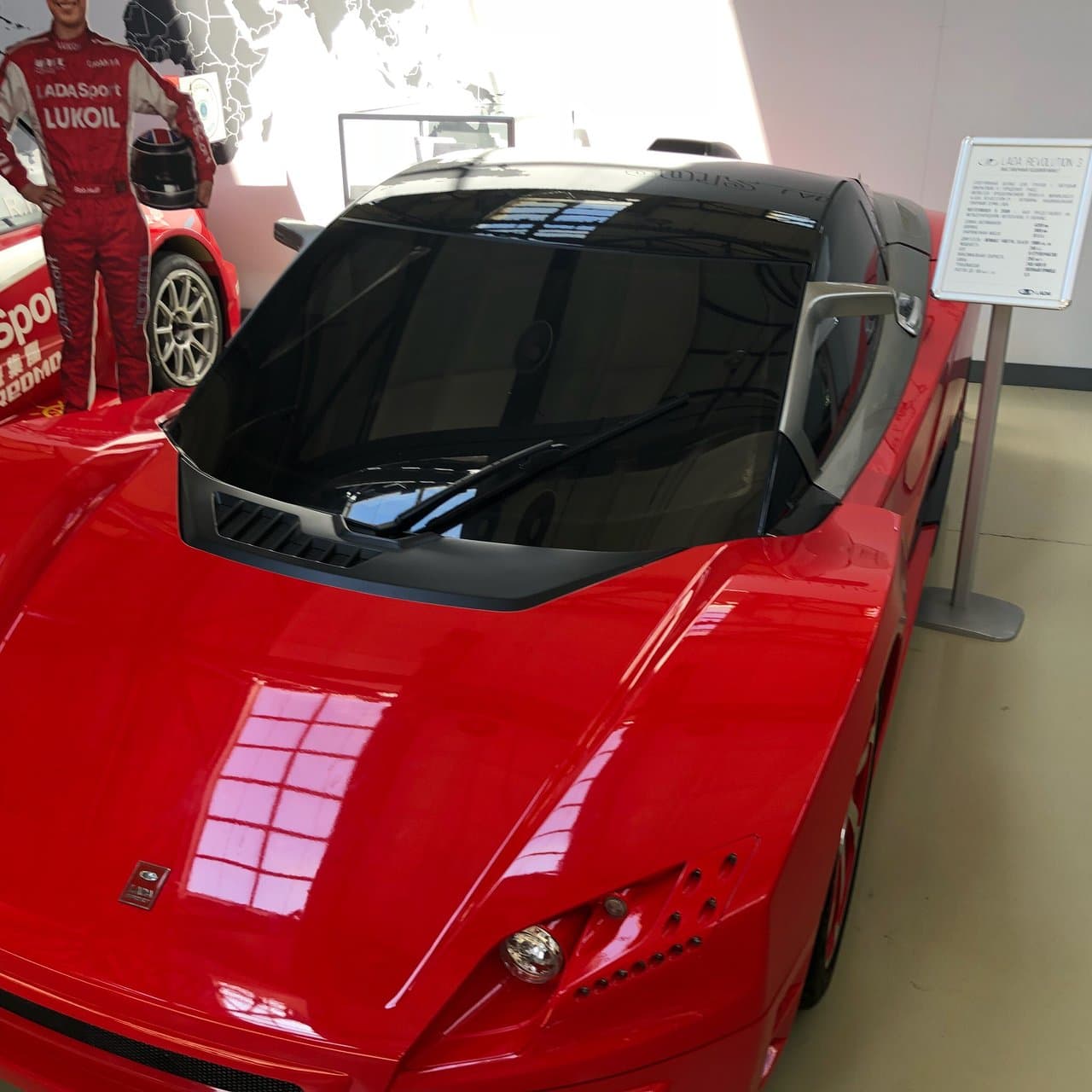
The AvtoVAZ Technical Museum showcases the evolution of the Russian automotive industry, focusing on the Lada brand produced at the local AvtoVAZ plant. Visitors can see a collection of vintage and modern cars, including prototypes and military vehicles, displayed in a large indoor hall. The museum provides insight into Tolyatti's identity as an industrial city. Plan for about 2 hours to view the exhibits, which are well-labeled in Russian, with some English information. It's a quiet spot, ideal for couples to explore without crowds.
AvtoVAZ Technical Museum
Why Visit
This museum is essential for understanding Tolyatti's core identity as Russia's car manufacturing center. It offers a unique cultural perspective on Soviet and post-Soviet industrial history, with well-preserved vehicles that tell the story of local innovation. For couples, it's an engaging, low-key activity that sparks conversation about the city's development.
Check opening hours in advance as they can vary; it's typically open Tuesday to Sunday. Address: Yuzhnoye Shosse, 137. Consider using a translation app for exhibit descriptions if you don't read Russian.
2
Cultural Landmarks and Local Cuisine
Day 2 of your journey
3
Soviet Monuments and Park Relaxation
Day 3 of your journey
4
Neighborhood Exploration and Farewell Dinner
Day 4 of your journey
Before You Go
Essential Travel Tips
Use Yandex.Taxi or local taxi services for reliable transport; public buses are available but may be less convenient for tourists.
Carry cash (Russian rubles) as some smaller eateries and museums may not accept cards.
Learn basic Russian phrases like 'spasibo' (thank you) and 'gde' (where) to ease communication; English is not widely spoken.
Dress in layers as weather can change quickly, especially near the Volga River.
Check opening hours for museums and restaurants in advance, as they can vary and some may close on Mondays.
Be respectful when visiting Orthodox churches by covering shoulders and knees, and avoid loud behavior.
Use a SIM card or roaming for mobile data, as free Wi-Fi may be limited in public areas.
Tolyatti is generally safe, but stay aware of your surroundings, especially at night in less crowded areas.
When to Go
Best Time to Visit
The best time to visit Tolyatti is from late May to early September, when temperatures are mild to warm (15-25°C or 59-77°F) and days are long, ideal for outdoor activities like walking along the Volga Embankment. Summer offers the most pleasant weather, with occasional rain. Spring (April-May) and autumn (September-October) can be cooler and rainier but less crowded. Winter (November-March) is cold, often below freezing, with snow, which may limit outdoor exploration but can provide a unique snowy landscape. Avoid peak winter if you prefer milder conditions.
Local Insights & Tips
Tolyatti is a city shaped by its Soviet industrial past, with a focus on community and practicality. Locals are generally friendly but reserved, valuing directness and honesty. The city is divided into districts like Central, Avtozavodsky, and Komsomolsky, each with its own character, though most tourist sites are in the Central District. Dining out is a social activity, with meals often enjoyed leisurely. Tipping is not mandatory but appreciated (5-10%) in restaurants. When interacting, a polite demeanor is key; avoid discussing sensitive political topics. The pace of life is slower than in Moscow or St. Petersburg, reflecting its provincial nature.