4 DaysRussiaprovince
Tomskaya Oblast’
Your 4-day travel guide
The optimal time to visit Tomskaya Oblast' is from late May to early September when temperatures are mildest, typically ...
Tomskaya Oblast’•4D•All
Tomskaya Oblast’, Russia
Duration:4 Days
Activities:12
Best for:All travelers
Wooden Lace and Siberian Soul
Tomskaya Oblast' in Western Siberia offers a journey through Russia's academic heart, historic wooden architecture, and vast taiga landscapes. As one of Siberia's oldest regions, it combines the intellectual energy of Tomsk's universities with traditional villages and natural reserves. This itinerary explores cultural heritage through museums, historic sites, and authentic Siberian cuisine, perfect for couples seeking a blend of intellectual discovery and romantic exploration. From ornate wooden mansions to forest retreats, you'll experience the region's unique character beyond typical Siberian stereotypes.
Get Real Local Advice
Ask someone who actually lives in Tomskaya Oblast’
1
Historic Tomsk and Academic Culture
Day 1 of your journey
Start your Tomsk exploration in the historic center where beautifully preserved wooden houses with intricate carvings line the streets. These 19th-century buildings showcase the unique 'Siberian Baroque' style with decorative window frames and ornate eaves. You can walk along Krasnoarmeyskaya Street and nearby lanes to see the most impressive examples. The area is pedestrian-friendly, allowing you to appreciate details at your own pace. Many houses remain private residences, so respect residents' privacy while admiring from the sidewalk.
Wooden Architecture Museum Quarter
Why Visit
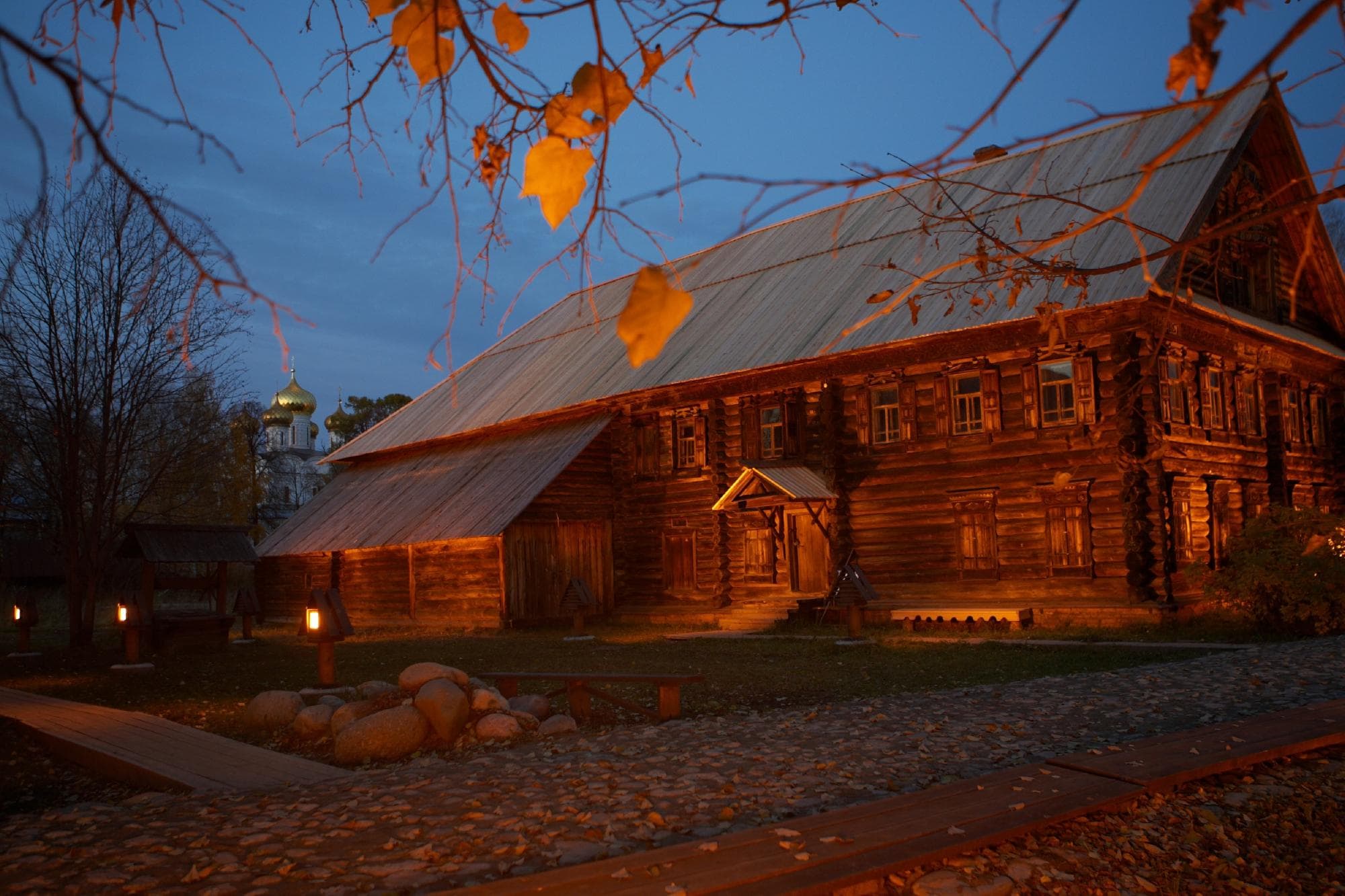
Tomsk's wooden architecture represents one of Russia's most distinctive architectural traditions, with over 2,000 preserved wooden buildings. Unlike many Russian cities that lost their historic wooden quarters, Tomsk maintains this heritage, offering a tangible connection to 19th-century Siberian life. The craftsmanship in the carved decorations is exceptional, with each house telling its own story through symbolic patterns and designs.
Visit the House with Firebirds at 67 Krasnoarmeyskaya Street for particularly fine carvings. The best light for photography is in late afternoon when shadows highlight the intricate details.
2
Art, Museums, and Local Crafts
Day 2 of your journey
3
Day Trip to Historic Town and Nature
Day 3 of your journey
4
Traditional Village and Departure
Day 4 of your journey
Before You Go
Essential Travel Tips
Russian rubles (RUB) are essential as credit cards may not be accepted everywhere, especially in smaller establishments or markets. ATMs are widely available in Tomsk.
Basic Russian phrases are helpful as English proficiency varies. Learn greetings, please/thank you, and numbers for transactions.
Tomsk has a continental climate with cold winters and warm summers. Pack layers even in summer as temperatures can vary significantly between day and night.
Public transportation in Tomsk includes buses and marshrutkas (fixed-route minibuses). Have small bills for fares as drivers may not make change for large notes.
Tap water is generally safe but many locals and visitors prefer bottled water, which is widely available and inexpensive.
Museum opening hours may vary, with many closed on Mondays. Check specific schedules in advance, especially for smaller museums.
Siberian cuisine can be hearty with meat and dairy. Vegetarian options exist but may be limited, especially outside Tomsk city center.
Respect photography restrictions in museums and sensitive locations. When photographing people, especially in villages, ask permission first.
When to Go
Best Time to Visit
The optimal time to visit Tomskaya Oblast' is from late May to early September when temperatures are mildest, typically ranging from 15°C to 25°C (59°F to 77°F). This period offers the most comfortable conditions for exploring cities and taking day trips. June through August have the longest daylight hours, with white nights in June where it never gets completely dark. Late spring brings blooming flowers in gardens, while early autumn (September) offers beautiful fall foliage in the taiga forests. Winters are extremely cold with temperatures often below -20°C (-4°F), though they offer unique experiences like ice fishing and winter festivals if you're prepared for severe cold.
Local Insights & Tips
Tomskaya Oblast' combines Siberian traditions with academic culture, creating a unique regional identity. Tomsk's status as a university city means it has a more cosmopolitan atmosphere than many Siberian towns, with students from across Russia and internationally. Locals take pride in their wooden architectural heritage and often maintain their historic homes with care. Siberian hospitality is genuine but may be reserved initially—taking time to learn a few Russian phrases shows respect. The pace of life is generally slower than in western Russian cities. When visiting villages, understand that traditional lifestyles continue alongside modern influences. Food culture emphasizes local ingredients like forest mushrooms, berries, and river fish, with meals often being substantial to suit the climate.