4 DaysRussiaprovince
Tverskaya Oblast’
Your 4-day travel guide
The ideal time to visit Tverskaya Oblast' is from late May to early September. Summer (June-August) offers the warmest w...
Tverskaya Oblast’•4D•All
Tverskaya Oblast’, Russia
Duration:4 Days
Activities:12
Best for:All travelers
Golden Domes and Hearty Feasts in Russia's Historic Heartland
Tverskaya Oblast', located northwest of Moscow, is a region rich in Russian history, culture, and natural beauty. Often overlooked by international tourists, this area offers an authentic glimpse into traditional Russian life beyond the capital. The region is characterized by its historic cities along the Volga River, Orthodox monasteries with striking architecture, and a culinary tradition centered on hearty, comforting dishes. For couples seeking a cultural and gastronomic journey through Russia's past, Tverskaya Oblast' provides a perfect blend of historical exploration and intimate dining experiences in settings that feel both grand and personal.
Get Real Local Advice
Ask someone who actually lives in Tverskaya Oblast’
1
Imperial History and Riverside Romance
Day 1 of your journey
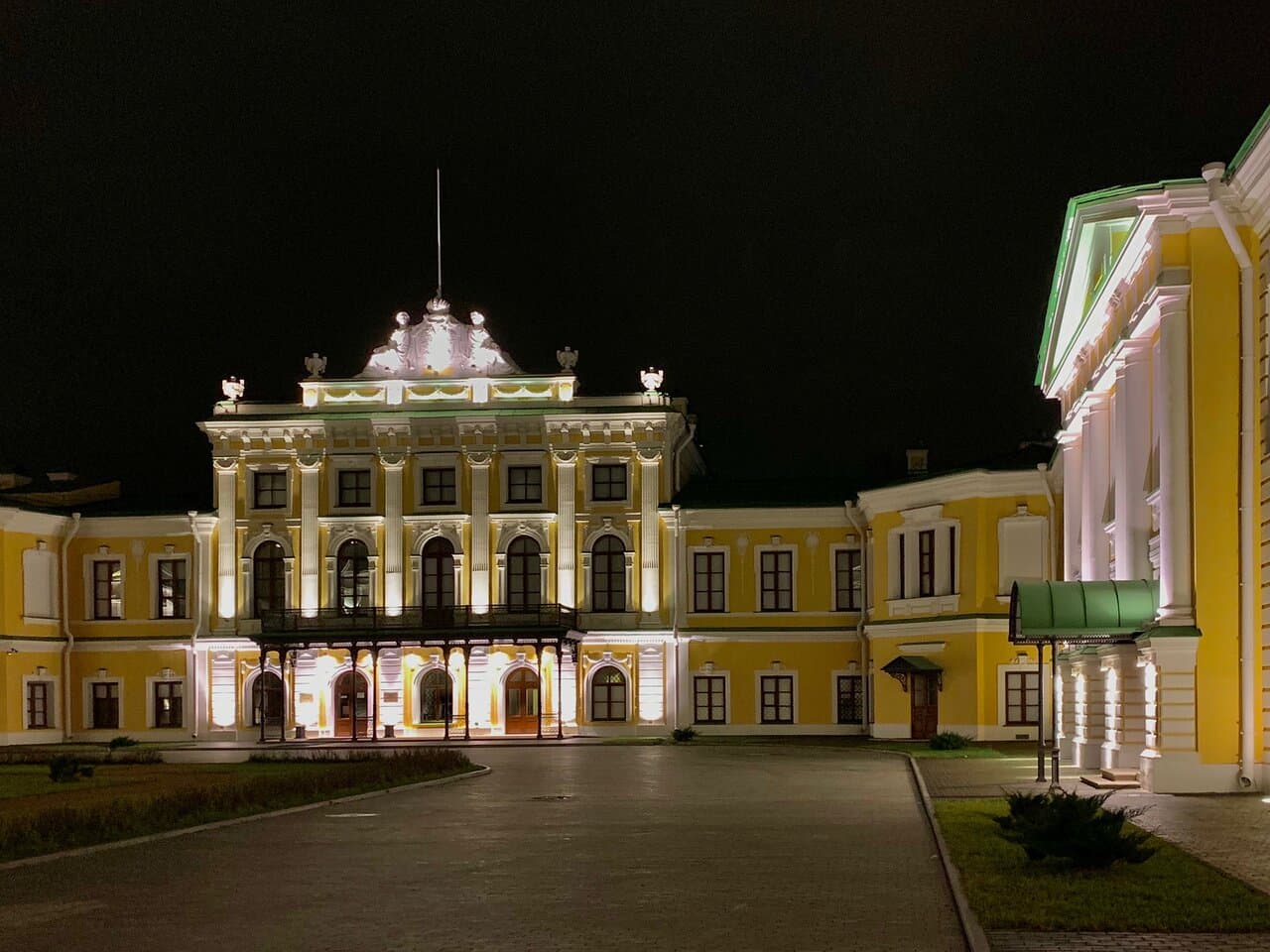
This 18th-century palace was built as a resting place for the Russian imperial family traveling between Moscow and St. Petersburg. Now a regional art gallery, it houses collections of Russian and European art. Visitors can tour the restored state rooms, view paintings and sculptures, and stroll through the adjacent city garden along the Volga River embankment. The palace offers insight into royal travel and 18th-century architecture. Plan for about two hours to see the main exhibits and gardens.
Tver Imperial Travel Palace
Why Visit
The palace represents a unique chapter in Russian history, serving as a waystation for royalty. Its art collection includes works by local Tver artists alongside European masters, providing cultural context. The riverside gardens offer a peaceful, romantic setting perfect for couples to walk and enjoy views of the Volga, connecting the imperial past with the natural beauty of the region.
Visit on a weekday morning to avoid crowds. The best views of the Volga are from the garden's western edge. Address: Sovetskaya Street, 3, Tver.
2
Monastic Heritage and Lakeside Serenity
Day 2 of your journey
3
Literary Legacy and Forest Retreat
Day 3 of your journey
4
Rural Traditions and Farewell Feast
Day 4 of your journey
Before You Go
Essential Travel Tips
Russian rubles (RUB) are essential; credit cards work in cities but carry cash for smaller towns.
Basic Russian phrases are helpful as English is limited outside tourist centers; learn 'spasibo' (thank you) and 'gde' (where).
Dress modestly for visiting Orthodox churches: women should cover heads with scarves, both genders should cover shoulders and knees.
Public transport between towns can be infrequent; consider renting a car or hiring a driver for flexibility.
Tver region has distinct seasons: pack accordingly with warm layers even in summer for cooler evenings.
Museum hours often vary by season; check websites or call ahead, especially on Mondays when many close.
Tap water is generally safe but bottled water is recommended, especially in smaller towns.
Tipping 10% in restaurants is customary for good service, though not always expected in very traditional places.
When to Go
Best Time to Visit
The ideal time to visit Tverskaya Oblast' is from late May to early September. Summer (June-August) offers the warmest weather, with temperatures typically 18-25°C (64-77°F), long daylight hours, and all attractions fully operational. This is peak season but still less crowded than Moscow. Late spring (May) and early autumn (September) provide milder temperatures (10-18°C/50-64°F) and beautiful natural colors, with fewer tourists. Winter (December-February) can be very cold (-10 to -15°C/14 to 5°F) with snow, but offers a different experience with fewer visitors. Some smaller museums may have reduced hours in winter.
Local Insights & Tips
Tverskaya Oblast' maintains strong traditional Russian culture with deep Orthodox Christian roots. Locals are generally reserved but hospitable when approached respectfully. The region has pride in its history separate from Moscow, with many towns having been independent principalities. Food culture emphasizes hearty, comforting dishes using local ingredients like mushrooms, river fish, and root vegetables. Meals are important social occasions, often lasting longer than in Western cultures. When visiting churches, observe silence and follow dress codes. The pace of life is slower than in Moscow, especially in smaller towns. Regional identity is strong, with each town having its own specialties and historical narratives worth exploring.