4 DaysRussiaprovince
Zabaykal’skiy Kray
Your 4-day travel guide
The most comfortable time to visit Zabaykal'skiy Kray is from late May to early September when temperatures are mild and...
Zabaykal’skiy Kray•4D•All
Zabaykal’skiy Kray, Russia
Duration:4 Days
Activities:12
Best for:All travelers
Trans-Siberian Culture and Buryat Flavors
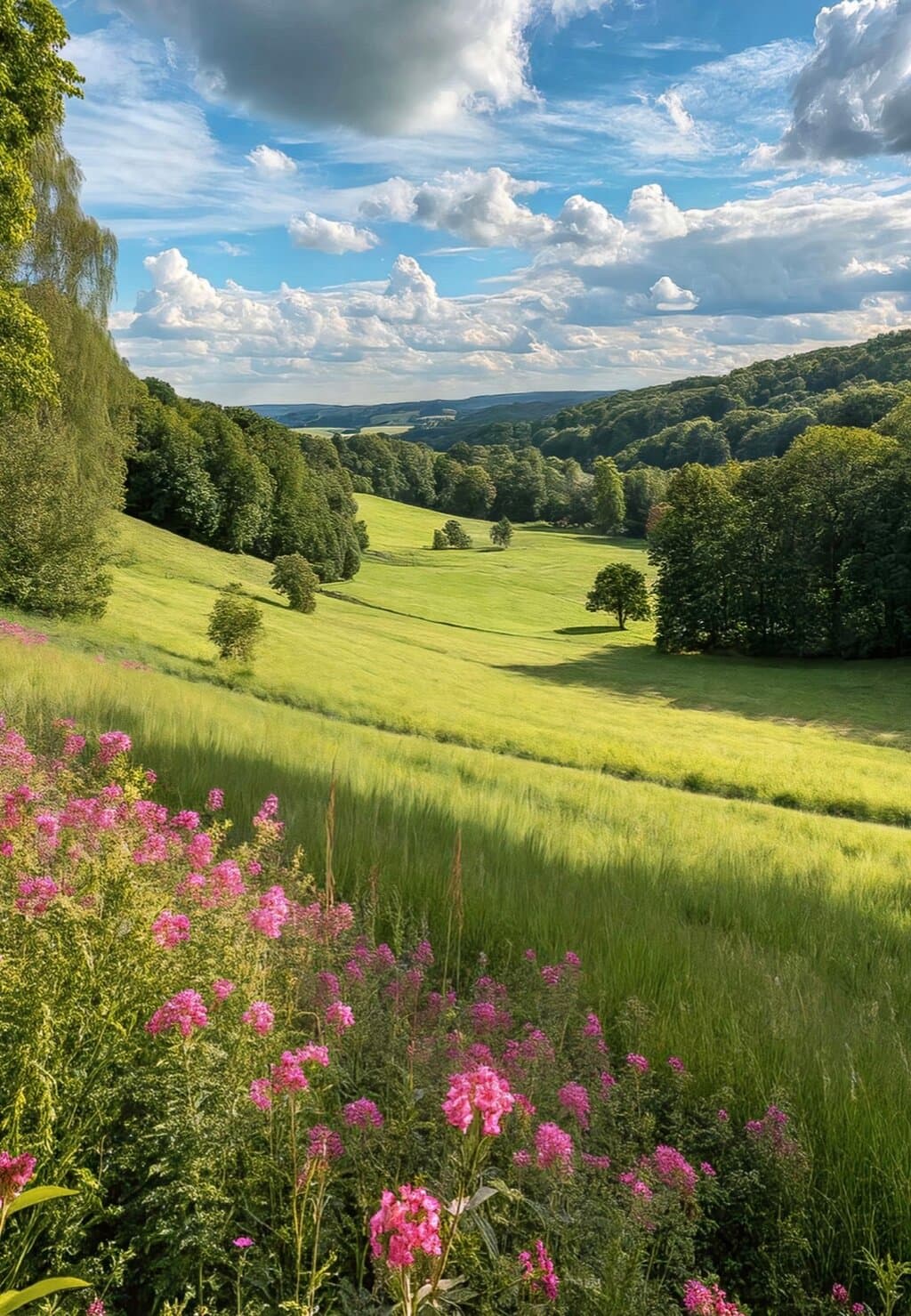
Zabaykal'skiy Kray, a vast region in southeastern Siberia, offers a unique blend of Russian frontier history and indigenous Buryat culture. Stretching from the shores of Lake Baikal to the Mongolian border, this remote province features dramatic landscapes of taiga forests, steppes, and mountains. For couples seeking cultural immersion and authentic cuisine, it provides an off-the-beaten-path adventure with historic cities, Buddhist temples, and traditional Siberian dishes. The region's position along the Trans-Siberian Railway adds to its character, connecting diverse communities and creating a fascinating cultural mix.
Get Real Local Advice
Ask someone who actually lives in Zabaykal’skiy Kray
1
Historic Chita and Local Cuisine
Day 1 of your journey
This museum occupies the former home of Prince Sergei Volkonsky, one of the Decembrists exiled to Siberia after the 1825 uprising. You'll see original furnishings, personal items, and documents that tell the story of these aristocratic revolutionaries who shaped Siberia's cultural development. The museum provides insight into 19th-century Siberian life and the intellectual community that formed around the exiles. Plan for about two hours to explore the exhibits thoroughly.
Museum of the Decembrists
Why Visit
This museum offers a unique perspective on Russian history through the lens of Siberian exile, showing how political dissidents contributed to regional culture. For couples interested in history, it provides intimate stories of relationships that endured under difficult circumstances, with personal artifacts that make the past feel immediate and human.
The museum is located at ul. Dekabristov, 3B. Visit in the late morning when it's less crowded. Audio guides are available in English for a small additional fee.
2
Buddhist Culture in Aginskoye
Day 2 of your journey
3
Border City Culture and Soviet History
Day 3 of your journey
4
Return to Chita with Culinary Focus
Day 4 of your journey
Before You Go
Essential Travel Tips
Russian rubles are the only accepted currency; exchange money in Chita as options are limited elsewhere
Basic Russian phrases are helpful as English is not widely spoken outside tourist offices in Chita
Dress in layers as temperatures can vary significantly even within a single day
Carry copies of your passport and visa as police may request identification
Tap water is generally safe in cities but bottled water is recommended for sensitive stomachs
Internet access is available in cities but can be slow in rural areas
Medical facilities are adequate in Chita but carry necessary medications as specific brands may not be available
Tipping 10% is appreciated in restaurants though not mandatory
When to Go
Best Time to Visit
The most comfortable time to visit Zabaykal'skiy Kray is from late May to early September when temperatures are mild and roads are clear. Summer months (June-August) offer the warmest weather, with average highs around 20-25°C (68-77°F), though nights can be cool. This period also has the longest daylight hours. Late spring (May) and early autumn (September) are pleasant with fewer tourists. Winter (November-March) is extremely cold, often below -20°C (-4°F), but offers unique snowy landscapes for those prepared for severe conditions. Some rural accommodations may close in winter.
Local Insights & Tips
Zabaykal'skiy Kray has a distinct cultural mix of ethnic Russians and indigenous Buryat people. The Buryat community maintains Buddhist traditions alongside shamanist practices, creating a spiritual landscape different from western Russia. Respect for elders is important in both cultures. When visiting religious sites, dress modestly and follow local customs, such as removing shoes or covering heads. The region has a frontier mentality with hospitality to visitors but also formality in initial interactions. Meals are often hearty with emphasis on meat and dairy products suited to the climate. The pace of life is generally slower than in European Russia, with more emphasis on community connections.