4 DaysSomaliaprovince
Galguduud
Your 4-day travel guide
The best time to visit Galguduud is during the dry seasons from December to March and June to September. These periods o...
Galguduud•4D•All
Galguduud, Somalia
Duration:4 Days
Activities:12
Best for:All travelers
Somali Culture and Cuisine in Central Somalia
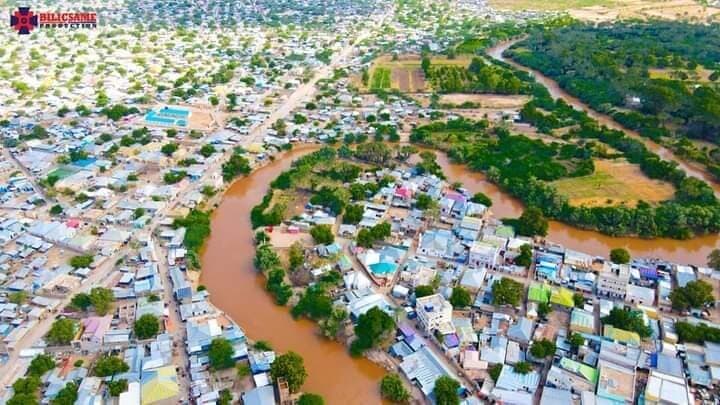
Galguduud is a region in central Somalia known for its pastoral landscapes, traditional Somali culture, and historical significance. As part of the Galmudug state, it offers a glimpse into authentic Somali life away from major tourist circuits. The region features towns with local markets, historical sites from ancient trade routes, and opportunities to experience nomadic traditions. For couples interested in culture and food, Galguduud provides a unique destination focused on community interactions, traditional meals, and understanding Somalia's heritage. Travel here requires careful planning due to infrastructure and security considerations.
Get Real Local Advice
Ask someone who actually lives in Galguduud
1
Arrival and Local Introduction
Day 1 of your journey
Dhuusamareeb serves as the administrative capital of Galguduud. Upon arrival, check into local guesthouse accommodations that provide basic amenities. This town offers a starting point for exploring the region with its central location. The guesthouses typically feature simple rooms with fans, shared bathrooms, and local hospitality. After settling in, take time to acclimate to the climate and surroundings. The dry landscape and traditional buildings characterize the area. Visitors should confirm arrangements with hosts upon arrival.
Dhuusamareeb Guesthouse
Why Visit
Dhuusamareeb provides the most developed infrastructure in Galguduud region, making it a practical base for exploration. As the regional capital, it offers access to local authorities and services that can facilitate travel. The town represents contemporary Somali administrative life while maintaining traditional elements. Staying here allows couples to begin their journey with relative comfort before venturing to more remote areas.
Coordinate accommodations in advance through local contacts as online booking is limited. Address: Ask for directions at the main market area.

2
Cultural Exploration and Traditional Food
Day 2 of your journey
3
Historical Sites and Regional Travel
Day 3 of your journey
4
Market Day and Departure Preparation
Day 4 of your journey
Before You Go
Essential Travel Tips
Security situation requires careful monitoring and local guidance
Accommodations are basic guesthouses rather than hotels
Local transportation requires 4x4 vehicles with experienced drivers
Somali shillings are the local currency though US dollars may be accepted
Basic Somali phrases are appreciated though some English is spoken in towns
Dress modestly covering shoulders and knees in respect for local customs
Travel with copies of documents and necessary permissions
Communications rely on local mobile networks with limited internet
When to Go
Best Time to Visit
The best time to visit Galguduud is during the dry seasons from December to March and June to September. These periods offer more predictable weather with less rainfall. The region experiences a hot semi-arid climate with average temperatures around 30°C (86°F). The April-May Gu rains and October-November Deyr rains can make travel difficult with muddy conditions and potential flooding. The dry seasons provide more reliable road conditions for travel between towns. There are no significant tourist seasons due to limited tourism infrastructure.
Local Insights & Tips
Galguduud reflects traditional Somali culture with strong clan structures and pastoral traditions. Society values hospitality, oral poetry, and Islamic practices. Daily life revolves around family, community, and livelihood activities like livestock herding. Respect for elders and communal decision-making are important. Islam influences social norms including dress codes, daily prayers, and food practices. The region has experienced conflict, so sensitivity to recent history is important. Building relationships through local contacts is essential for meaningful experiences. Cash economy predominates with limited formal services. Patience and flexibility are necessary when navigating local systems.