4 DaysSouth Sudanprovince
Central Equatoria
Your 4-day travel guide
The best time to visit Central Equatoria is during the dry season, which runs from approximately December to March. Duri...
Central Equatoria•4D•All
Central Equatoria, South Sudan
Duration:4 Days
Activities:12
Best for:All travelers
Juba's Heartbeat and Equatorial Traditions
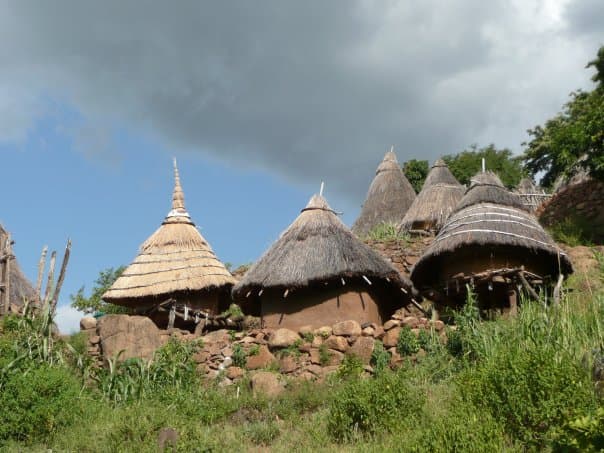
Central Equatoria, the political and cultural heart of South Sudan, offers a profound journey into the nation's soul. Centered around the capital, Juba, this region presents a mix of modern urban life and deep-rooted traditions of the Bari and other ethnic groups. For couples interested in culture and food, this itinerary explores Juba's evolving scene and nearby communities, providing authentic interactions and culinary discoveries. While infrastructure is developing, the warmth of the people and the significance of the sites create a memorable, off-the-beaten-path experience focused on understanding South Sudan's identity.
Get Real Local Advice
Ask someone who actually lives in Central Equatoria
1
Urban Culture and Modern Juba
Day 1 of your journey
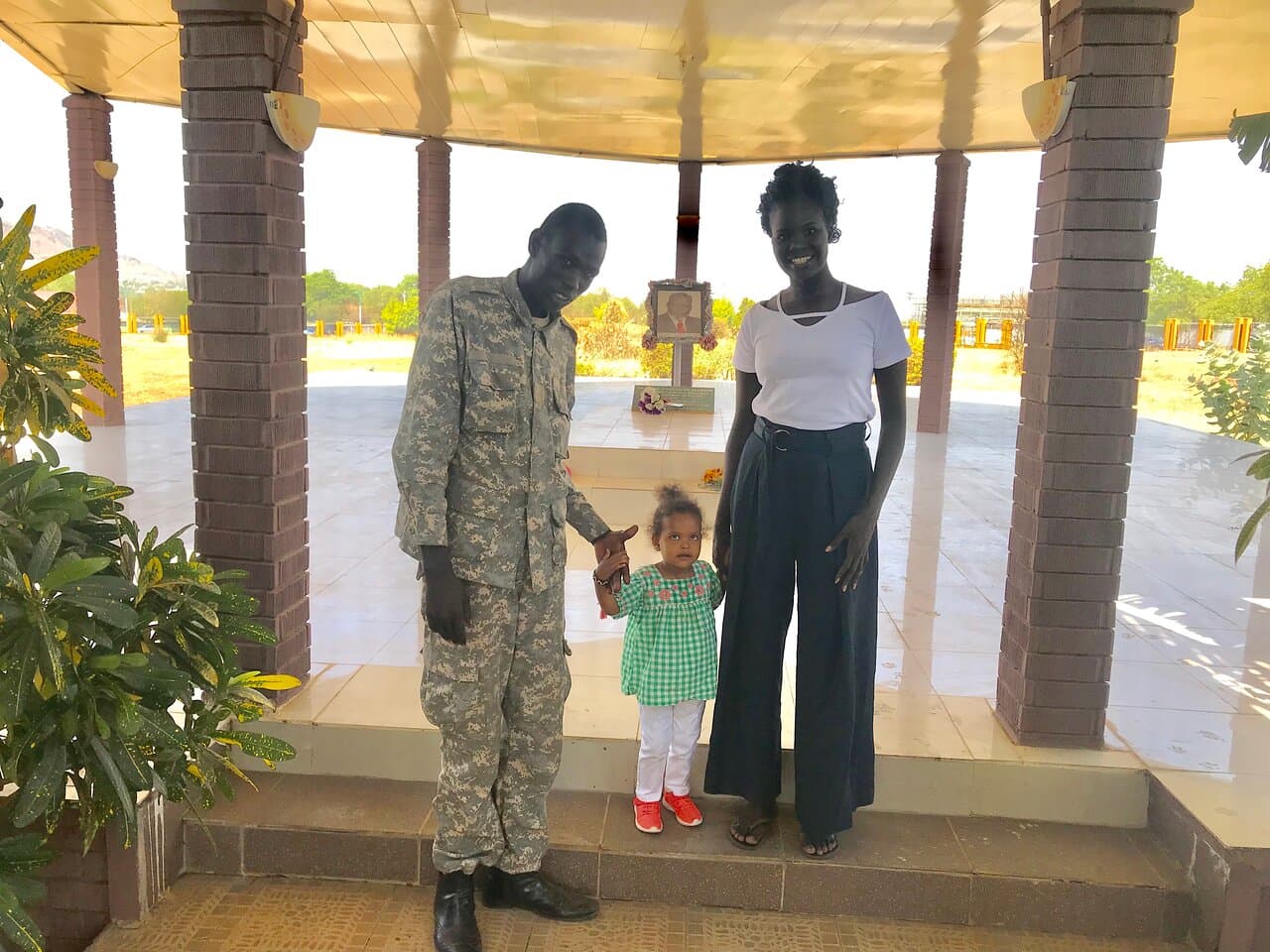
This mausoleum honors Dr. John Garang de Mabior, the founding father of South Sudan. The site is a significant national monument located near the Nile. Visitors can see the tomb and surrounding memorial grounds, which are important for understanding the country's struggle for independence. It's best visited in the morning to avoid the midday heat. Allow about an hour to respectfully observe the site and read the informational plaques.
John Garang Mausoleum
Why Visit
This is the most important historical site in Juba, offering a solemn and essential perspective on South Sudan's recent history. For a couple interested in culture, it provides a foundational understanding of the nation's identity and the reverence held for its leaders, making it a meaningful start to your trip.
Dress modestly and behave respectfully as this is a site of national mourning and pride. Photography may be restricted, so always ask permission from any guards present. Address: near the Nile River, Juba Town.
2
River Life and Community Culture
Day 2 of your journey
3
Art, Craft, and Evening Flavors
Day 3 of your journey
4
Reflection and Local Interaction
Day 4 of your journey
Before You Go
Essential Travel Tips
Security is paramount. Always travel with a trusted local driver/guide arranged through your hotel or a reputable tour company.
The local currency is the South Sudanese Pound (SSP), but US Dollars are widely accepted. Bring plenty of small denomination USD bills (1s, 5s, 10s).
Visa requirements are strict. Obtain a visa in advance from a South Sudanese embassy; tourist visas on arrival are not guaranteed.
Health precautions are critical. Ensure you have yellow fever vaccination proof and take strong malaria prophylaxis. Drink only bottled or purified water.
Dress conservatively, especially outside hotels. For both men and women, covering shoulders and knees is respectful.
Photography is sensitive. Never photograph military installations, personnel, or airports. Always ask permission before photographing people.
Internet and mobile networks are unreliable. Purchase a local SIM card (like MTN or Zain) for basic connectivity, but don't depend on constant access.
Be patient. Things often move slowly, and plans may change. Maintain a flexible and respectful attitude.
When to Go
Best Time to Visit
The best time to visit Central Equatoria is during the dry season, which runs from approximately December to March. During these months, rainfall is minimal, roads are in their best (though still often poor) condition, and temperatures are hot but more manageable. The wet season (April to November) brings heavy rains that can make travel outside Juba very difficult or impossible due to flooded roads and increased malaria risk. December and January are particularly good months with lower humidity.
Local Insights & Tips
Central Equatoria is culturally dominated by the Bari people, but Juba is a mix of all South Sudan's ethnic groups. Greetings are important; take time to say hello. Respect for elders is paramount. Hospitality is generous; if invited to share food or tea, it is polite to accept. South Sudan is a conservative, post-conflict society. Public displays of affection should be minimal. Discussions about politics or the civil war should be approached with extreme sensitivity, if at all. Most people in Juba speak Juba Arabic (a pidgin) or English, but learning a few greetings in Bari (like 'Do pure' for good morning) is appreciated. The pace of life is slow; rushing is considered rude.