
4 DaysSpainprovince
Asturias
Your 4-day travel guide
The best time to visit Asturias for this cultural and food-focused itinerary is late spring (May-June) or early autumn (...
Asturias•4D•All
Asturias, Spain
Duration:4 Days
Activities:12
Best for:All travelers
Cider, Mountains, and Medieval Charm
Asturias, an autonomous community in northern Spain, offers a distinct experience from the country's southern regions. Known for its dramatic landscapes of the Picos de Europa mountains, rugged coastline with sandy beaches, and deep Celtic heritage, it's a destination where nature and culture intertwine. The region is celebrated for its culinary traditions, particularly sidra (cider) poured in a unique style, hearty fabada stew, and excellent local cheeses. For a couple seeking culture and food, Asturias provides romantic settings in historic towns, world-class pre-Romanesque architecture, and a slower, authentic pace of life away from mass tourism.
Get Real Local Advice
Ask someone who actually lives in Asturias
1
Historic Oviedo and Cider Culture
Day 1 of your journey
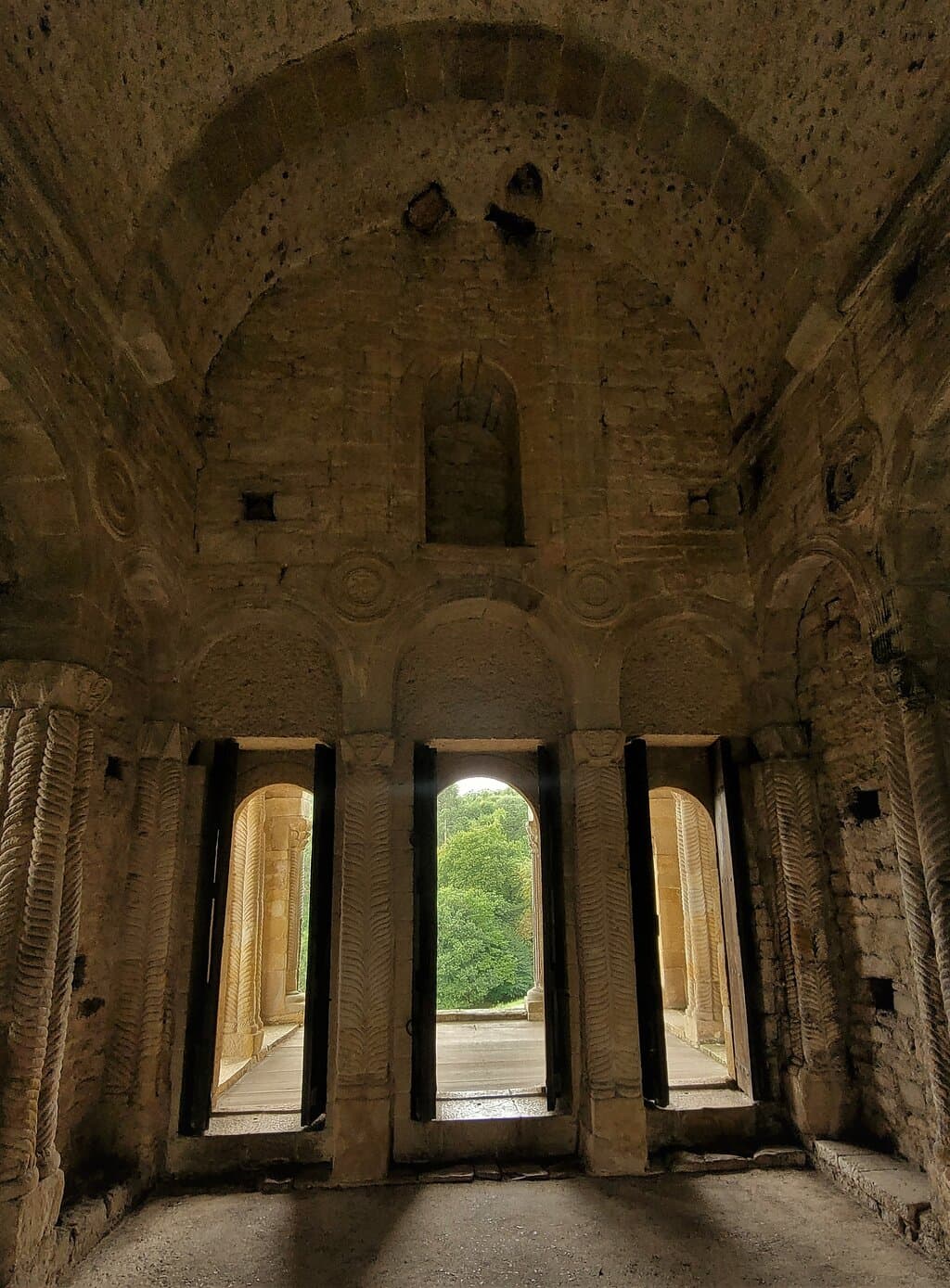
San Miguel de Lillo is a 9th-century pre-Romanesque church located on the slopes of Mount Naranco, a UNESCO World Heritage site. Built during the reign of King Ramiro I, it features intricate stone carvings and architectural purity. Visitors experience a well-preserved example of Asturian art, with guided tours explaining its historical significance. The interior is dimly lit, enhancing its ancient atmosphere. A visit typically takes about 45 minutes. It's best visited in the morning to avoid crowds and enjoy the surrounding views.
San Miguel de Lillo
Why Visit
This church is a masterpiece of early medieval European architecture and a key part of Asturias's cultural identity. Its UNESCO status underscores its global importance. For a couple interested in history, it offers a profound connection to the region's past and stunning photographic opportunities against the mountain backdrop, making it a culturally enriching start to the trip.
Combine your visit with the nearby Santa María del Naranco palace for a discounted joint ticket. Wear comfortable shoes for the short walk between sites. Address: Monte Naranco, s/n, 33012 Oviedo.
2
Coastal Gijón and Maritime Heritage
Day 2 of your journey
3
Medieval Cangas de Onís and Picos de Europa
Day 3 of your journey
4
Lasting Flavors and Artistic Oviedo
Day 4 of your journey
Before You Go
Essential Travel Tips
Asturias uses the Euro (€). Credit cards are widely accepted, but carry some cash for smaller markets and sidrerías.
Spanish is the official language. While English is understood in tourist areas, learning basic phrases like 'por favor' (please) and 'gracias' (thank you) is appreciated.
The region is generally very safe. Standard precautions for petty theft in crowded areas apply.
Tipping is not obligatory but rounding up the bill or leaving 5-10% for good service in restaurants is customary.
Public transport between major cities (Oviedo, Gijón) is efficient by bus (ALSA) or regional train (FEVE). For Cangas de Onís, a car rental is highly recommended for flexibility.
Weather can change quickly, especially in the mountains. Pack layers, a waterproof jacket, and comfortable walking shoes.
Many museums and sites close on Mondays. Always check current opening hours online before visiting.
Meal times are later than in many countries: lunch is typically 2-4 PM, dinner after 9 PM. Adjust your schedule accordingly.
When to Go
Best Time to Visit
The best time to visit Asturias for this cultural and food-focused itinerary is late spring (May-June) or early autumn (September-October). During these months, the weather is mild with pleasant temperatures, fewer tourists, and lower chances of the persistent rain common in the region. Summer (July-August) is warmer and sunnier, ideal for beach time, but it's the peak tourist season with higher prices and crowds, especially in coastal towns. Winter can be cold and wet, though it's quiet and the landscapes are dramatic. Many cultural sites remain open year-round.
Local Insights & Tips
Asturias has a strong regional identity, with its own flag, anthem, and a distinct culture influenced by its Celtic past. The pace of life is generally slower and more relaxed than in larger Spanish cities. The tradition of the 'escanciar' (pouring cider) is a social ritual; don't be surprised to share a bottle with strangers at a sidrería bar. When eating, it's common to share several raciones (large tapas) rather than ordering individual main courses. The region is family-friendly and welcoming. In smaller towns and villages, a simple greeting goes a long way. Remember that 'Asturias' refers to the entire autonomous community; the capital is Oviedo.