4 DaysSri Lanka
Colombo
Your 4-day travel guide
The best time to visit Colombo is during the dry season from December to March, when rainfall is minimal and temperature...
Colombo•4D•All
Colombo, Sri Lanka
Duration:4 Days
Activities:12
Best for:All travelers
Colombo's Cultural Tapestry and Culinary Delights
Colombo, Sri Lanka's vibrant capital, offers a fascinating blend of colonial history, modern energy, and rich cultural traditions. As a coastal city with a mix of influences from Portuguese, Dutch, and British eras, Colombo presents visitors with architectural gems, bustling markets, and some of the country's best culinary experiences. This itinerary focuses on cultural immersion and food exploration, perfect for couples seeking both discovery and romance. From ancient temples to contemporary art spaces, and from street food stalls to fine dining restaurants, Colombo reveals its character through diverse neighborhoods and warm hospitality.
Get Real Local Advice
Ask someone who actually lives in Colombo
1
Colonial Heritage and Temple Exploration
Day 1 of your journey
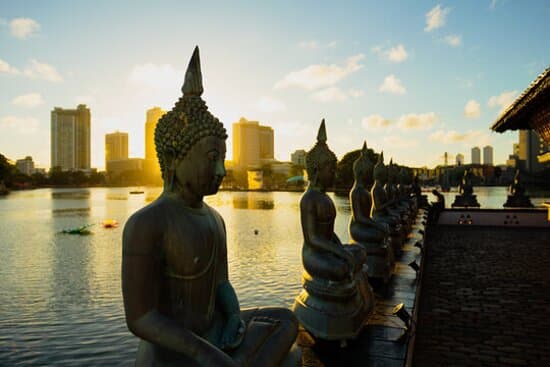
Gangaramaya Temple is one of Colombo's most important Buddhist temples, blending Sri Lankan, Thai, Indian, and Chinese architectural styles. Visitors can explore the main shrine room with its impressive Buddha statue, the museum housing religious artifacts and gifts from international visitors, and the peaceful Bodhi tree area. The temple also features a library and a relic chamber. Plan to spend about 2 hours here to appreciate the intricate details and spiritual atmosphere. Early morning visits avoid crowds and offer better light for photography.
Gangaramaya Temple
Why Visit
This temple provides an excellent introduction to Sri Lankan Buddhism and religious architecture. The eclectic mix of styles reflects Colombo's position as a cultural crossroads, while the museum offers insight into the country's religious traditions. For couples, the peaceful atmosphere creates a contemplative start to your journey together.
Address: 61 Sri Jinarathana Road, Colombo 2. Remove shoes before entering temple buildings and dress modestly with shoulders and knees covered. The temple hosts the annual Navam Perahera festival in February with colorful processions if your visit coincides.
2
Art, Architecture, and Local Markets
Day 2 of your journey
3
Neighborhood Discovery and Contemporary Culture
Day 3 of your journey
4
Spiritual Sites and Farewell Flavors
Day 4 of your journey
Before You Go
Essential Travel Tips
Use ride-hailing apps like PickMe or Uber for convenient and reasonably priced transportation around Colombo
Carry both cash (Sri Lankan rupees) and cards, as smaller establishments may not accept credit cards
Dress modestly when visiting religious sites, covering shoulders and knees
Drink bottled water and be cautious with street food to avoid stomach issues
Learn basic Sinhala phrases like 'ayubowan' (hello/goodbye with respect) and 'istuti' (thank you)
Negotiate prices at markets but not in fixed-price shops or restaurants
Be prepared for traffic congestion, especially during peak hours
Check opening days for museums and attractions, as many close on Fridays or public holidays
When to Go
Best Time to Visit
The best time to visit Colombo is during the dry season from December to March, when rainfall is minimal and temperatures are comfortable, typically ranging from 25°C to 30°C (77°F to 86°F). The southwest monsoon brings rain from May to September, particularly in June and July, which can disrupt outdoor activities. The northeast monsoon affects the city from October to January but is generally less intense in Colombo than in other parts of the country. December through February offers the most pleasant weather for exploration, though this is also peak tourist season. April brings the Sinhalese and Tamil New Year celebrations but also higher temperatures.
Local Insights & Tips
Colombo is a city of contrasts where colonial architecture stands alongside modern developments, and traditional customs coexist with contemporary lifestyles. The majority Sinhalese Buddhist culture emphasizes respect and hospitality, with the greeting 'ayubowan' accompanied by a slight bow with palms together. When visiting temples, remove shoes and hats, dress modestly, and avoid turning your back to Buddha statues. Colombo residents typically eat with their right hand, though utensils are widely available. The city has a relaxed pace compared to many Asian capitals, with evening socializing often centered around food rather than nightlife. While English is widely spoken in tourist areas and businesses, learning a few Sinhala phrases will be appreciated. Tipping is not mandatory but is customary in restaurants (10%) and for good service.