4 DaysSyria
Ḩamāh
Your 4-day travel guide
The most pleasant weather in Ḩamāh is during the spring (March to May) and autumn (September to November). During these ...
Ḩamāh•4D•All
Ḩamāh, Syria
Duration:4 Days
Activities:12
Best for:All travelers
Ancient Waterwheels and Syrian Flavors
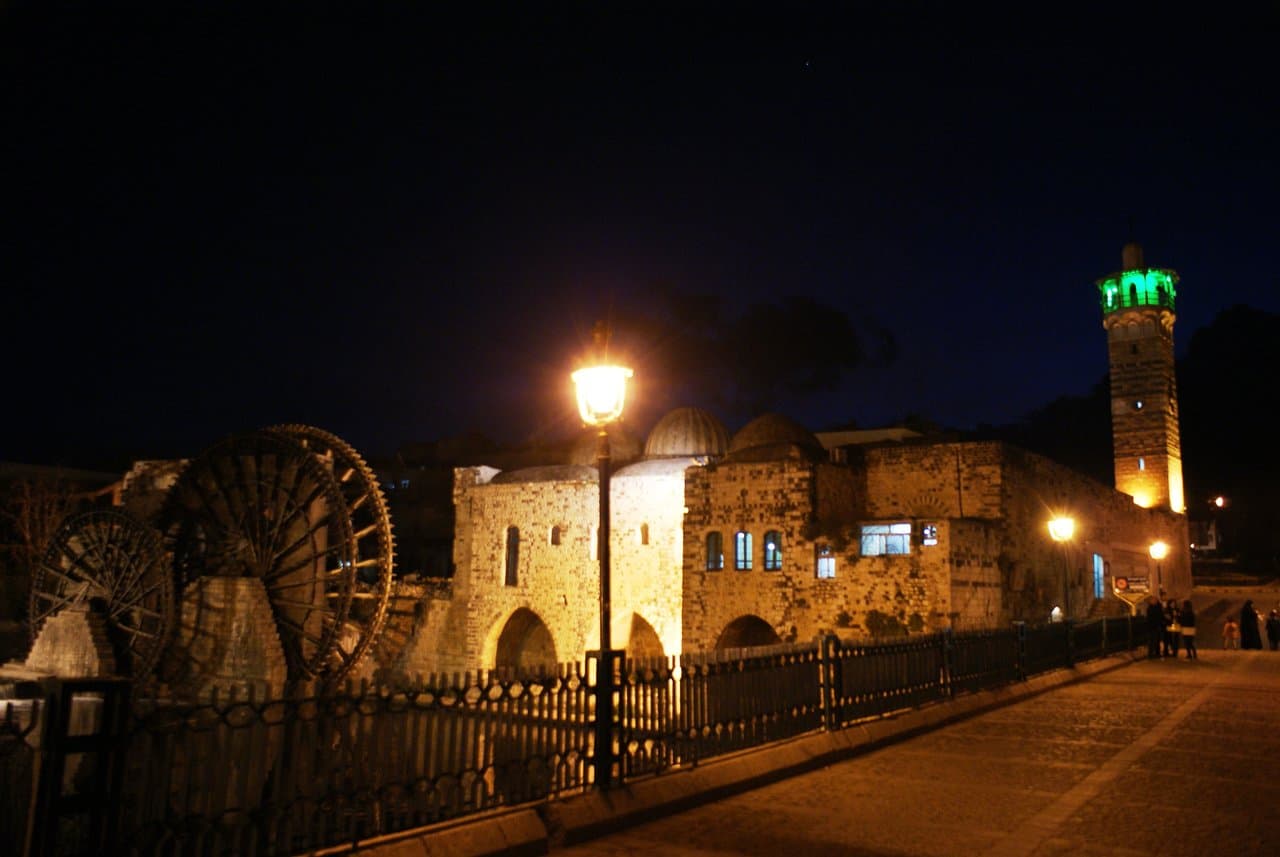
Ḩamāh, located in west-central Syria along the Orontes River, is a city with deep historical roots dating back to the Iron Age. It is famously known for its iconic norias, large wooden waterwheels that have become symbols of the city. While the city has faced significant challenges in recent years, it remains a place of cultural resilience. For couples interested in culture and food, Ḩamāh offers a journey through ancient history at sites like the Citadel and a chance to experience authentic Syrian cuisine in local eateries. The pace is slow and reflective, perfect for exploring together.
Get Real Local Advice
Ask someone who actually lives in Ḩamāh
1
Cultural Heritage and City Icons
Day 1 of your journey
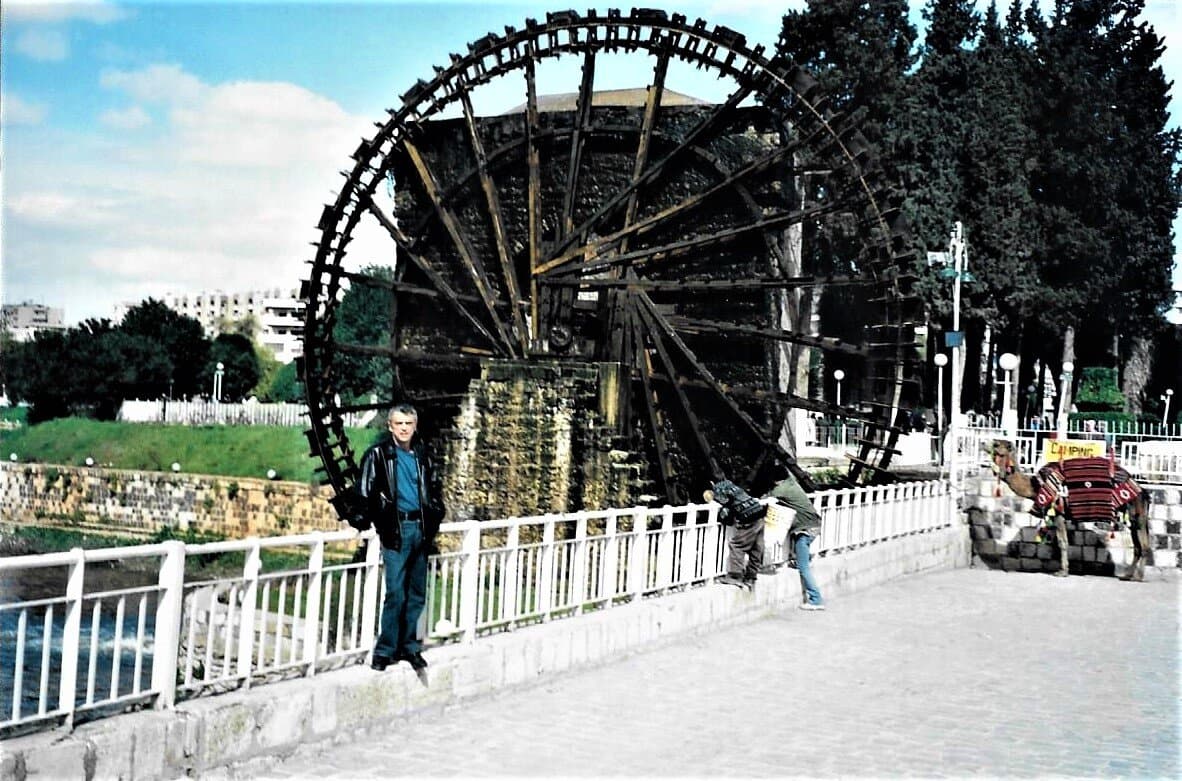
Begin your exploration at the city's most famous landmark, the ancient wooden waterwheels along the Orontes River. These norias, some dating back centuries, were historically used for irrigation. You can walk along the riverbank to see several of these impressive structures, with the largest being over 20 meters in diameter. The park area provides a pleasant stroll. Visit during daylight for clear views and photography. The sound of the creaking wheels adds to the atmosphere.
Noria Park (Al-Nawaeer)
Why Visit
The norias are unique to Ḩamāh and represent an important piece of historical engineering. They are a peaceful and photogenic introduction to the city's character. For a couple, it's a relaxed way to start the trip, offering beautiful backdrops and a sense of the city's ancient connection to water.
The best viewing is from the riverside paths in the park. The area is generally safe for walking during the day. Address: Along the Orontes River in central Ḩamāh.
2
History, Museums, and Local Markets
Day 2 of your journey
3
Architectural Gems and Relaxed Exploration
Day 3 of your journey
4
Local Flavors and Leisurely Farewell
Day 4 of your journey
Before You Go
Essential Travel Tips
Check current travel advisories and security conditions with your government before planning a trip to Syria. Access for foreign tourists can be very restricted.
The local currency is the Syrian Pound (SYP). Due to economic conditions, cash is essential, and credit cards are rarely accepted. Exchange money officially if possible.
Arabic is the official language. Learning basic phrases like 'hello' (marhaba) and 'thank you' (shukran) is appreciated. English is not widely spoken.
Dress conservatively, especially when visiting religious sites. For women, covering shoulders and knees is recommended; carrying a headscarf is advisable.
Be respectful when taking photographs, especially of people, government buildings, or military sites. Always ask for permission first.
Travel within the city is typically by taxi or on foot. Negotiate taxi fares before getting in, as meters are often not used.
Tap water is not safe to drink. Drink only bottled water, which is widely available.
Syrian hospitality is renowned. Accept offers of tea or coffee if invited; it is a sign of welcome.
When to Go
Best Time to Visit
The most pleasant weather in Ḩamāh is during the spring (March to May) and autumn (September to November). During these periods, daytime temperatures are mild, typically ranging from 15°C to 25°C (59°F to 77°F), making outdoor exploration comfortable. Summers (June to August) are hot and dry, with temperatures often exceeding 35°C (95°F). Winters (December to February) are cool and can be rainy. Given the city's current situation, tourist seasons are not a major factor, but favorable weather will improve the experience of visiting outdoor sites like the norias and citadel.
Local Insights & Tips
Ḩamāh is a conservative city with a strong sense of community and tradition. Social life often revolves around family and the local mosque. The pace of life is generally slower than in larger Syrian cities. The people are known for their resilience and hospitality, but it's important to be sensitive to the significant challenges the city and country have faced. Public displays of affection should be minimal. When invited to a local's home, it is customary to bring a small gift, like sweets or pastries. Meals are social affairs; expect to be offered more food than you can eat as a sign of generosity. The city's identity is deeply tied to its history and the Orontes River.