
4 DaysTajikistan
Khŭjand
Your 4-day travel guide
The ideal time to visit Khŭjand is from April to June and September to October. Spring (April-June) offers mild temperat...
Khŭjand•4D•All
Khŭjand, Tajikistan
Duration:4 Days
Activities:12
Best for:All travelers
Silk Road Flavors and Fortress Walls
Khŭjand, Tajikistan's second-largest city, sits along the Syr Darya River in the Fergana Valley. As one of Central Asia's oldest cities, it has been a key Silk Road trading hub for over 2,500 years. Today, it blends Soviet-era architecture with traditional Tajik culture, offering visitors a more relaxed alternative to Dushanbe. The city's compact center makes it easy to explore historic sites, bustling bazaars, and authentic teahouses on foot. For couples interested in culture and food, Khŭjand provides intimate discoveries without overwhelming crowds.
Get Real Local Advice
Ask someone who actually lives in Khŭjand
1
Historical Foundations
Day 1 of your journey
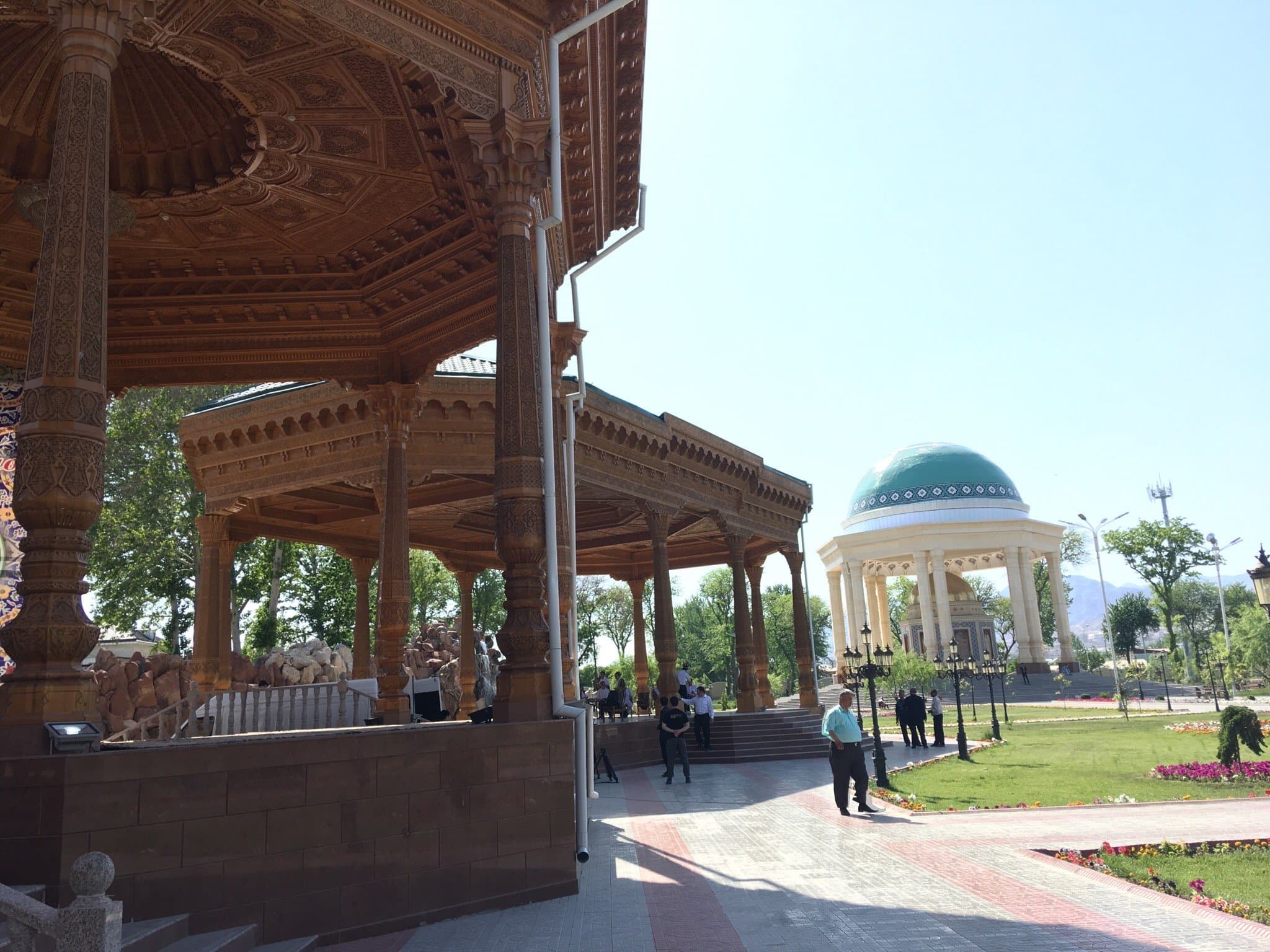
Start at the reconstructed Khujand Fortress, originally built in the 6th century and rebuilt multiple times throughout history. The fortress walls offer views of the city and Syr Darya River. Inside, the Historical Museum displays artifacts from Alexander the Great's era through Soviet times, including traditional clothing, weapons, and household items. Plan for about two hours to walk the grounds and museum. The site is less crowded in the morning, allowing for peaceful exploration.
Khujand Fortress and Historical Museum
Why Visit
This site represents Khŭjand's strategic importance on the Silk Road for centuries. The museum provides essential context about the region's complex history, from ancient settlements to modern Tajikistan. Walking along the fortress walls gives couples a romantic perspective on the city's relationship with the river and mountains beyond.
Address: Rudaki Avenue. The museum has limited English signage, so consider using a translation app or hiring a guide from the entrance for deeper understanding. The small fee (about 20 TJS per person) includes both fortress access and museum entry.
2
Market Culture and Local Life
Day 2 of your journey
3
Cultural Institutions and Evening Dining
Day 3 of your journey
4
Local Neighborhoods and Culinary Exploration
Day 4 of your journey
Before You Go
Essential Travel Tips
Currency is Tajik Somoni (TJS). Bring USD or EUR to exchange locally as ATMs can be unreliable. Small bills are essential for markets and taxis.
Basic Russian phrases help significantly as English isn't widely spoken. Learn greetings, numbers, and simple questions.
Taxis are inexpensive but agree on price before entering. Shared taxis follow set routes and are even cheaper.
Dress modestly, especially when visiting religious sites. Women should carry a headscarf for mosque visits.
Tap water isn't safe to drink. Buy bottled water, which is widely available and inexpensive.
Khŭjand is generally safe, but take normal precautions with valuables in crowded areas like markets.
Weekends (Friday-Saturday) see some closures or reduced hours at official sites. Plan museum visits for weekdays.
Power outlets are European standard (Type C/F). Bring appropriate adapters for electronics.
When to Go
Best Time to Visit
The ideal time to visit Khŭjand is from April to June and September to October. Spring (April-June) offers mild temperatures (15-25°C/59-77°F) with blooming vegetation and comfortable sightseeing conditions. Autumn (September-October) provides similar pleasant weather after summer heat. July and August can be hot (often above 30°C/86°F), though dry heat is more tolerable than humidity. Winter (November-March) brings cold temperatures (often below freezing) and occasional snow, with some attractions having reduced hours. The city sees fewer tourists than peak European destinations year-round.
Local Insights & Tips
Khŭjand maintains strong Tajik cultural traditions while showing Soviet architectural influence. Hospitality is important—accept tea offers when visiting shops or meeting locals. Meals often begin with non (bread), which should be placed right-side up and never wasted. When visiting homes (if invited), remove shoes at the entrance. The city is more conservative than Dushanbe, so modest dress is appreciated, especially for women. Friday is the Muslim day of prayer, affecting some schedules. Khŭjand residents take pride in their city's history as a Silk Road center and are generally welcoming to respectful visitors interested in their culture.