4 DaysTurkey
Şanlıurfa
Your 4-day travel guide
The ideal time to visit Şanlıurfa is spring (March to May) or autumn (September to November). During these periods, dayt...
Şanlıurfa•4D•All
Şanlıurfa, Turkey
Duration:4 Days
Activities:12
Best for:All travelers
Ancient Stones and Sacred Flavors
Şanlıurfa, often called Urfa, is a city where history feels alive. Known as the birthplace of the prophet Abraham, it's a spiritual center with deep cultural roots. The old city's stone architecture, bustling bazaars, and sacred pools create an atmosphere unlike anywhere else in Turkey. For couples seeking culture and food, Urfa offers intimate exploration of ancient sites followed by rich culinary traditions. You'll discover a city where every meal tells a story and every corner reveals layers of civilization, from Neolithic settlements to Ottoman grandeur.
Get Real Local Advice
Ask someone who actually lives in Şanlıurfa
1
Sacred History and Old City Charm
Day 1 of your journey
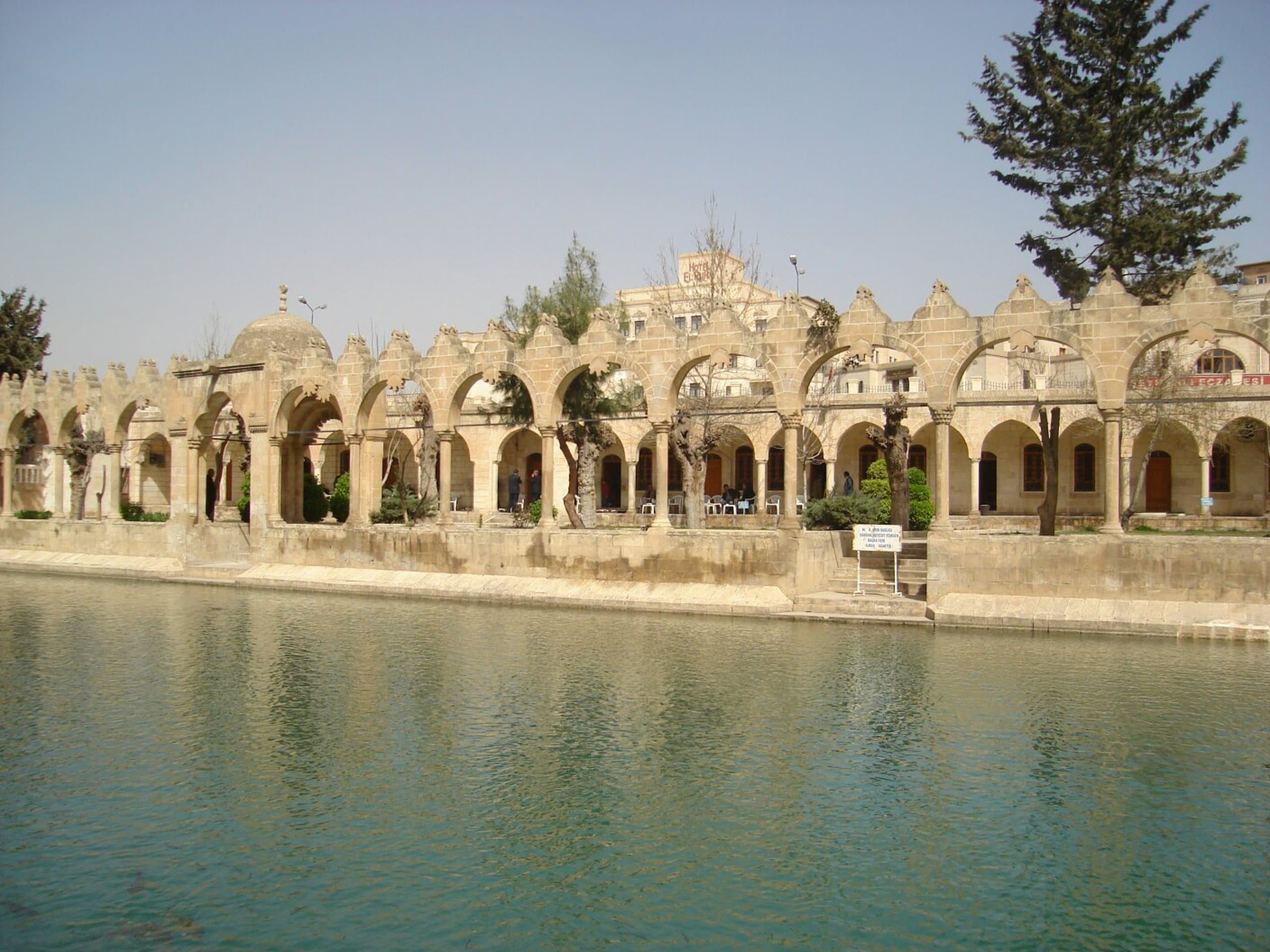
Begin at the heart of Urfa's spiritual significance. This complex features two rectangular pools filled with carp considered sacred in local tradition, connected to the prophet Abraham's story. You'll see the mosque of Abraham and the cave where he was born. Visitors typically spend an hour walking around the tranquil pools, feeding the fish, and observing local pilgrims. The site is open daily with no entrance fee, though donations are welcome. Early morning offers cooler temperatures and fewer crowds.
Balıklıgöl (Pool of Sacred Fish)
Why Visit
This is the spiritual center of Şanlıurfa and essential for understanding the city's identity. The peaceful atmosphere provides a contemplative start to your trip, while the architecture showcases beautiful Ottoman design. For couples, it's a quiet, meaningful place to connect with local traditions before exploring the busier parts of the city.
Address: Balıklıgöl Mahallesi. Wear modest clothing covering shoulders and knees. The fish are considered sacred, so do not touch or harm them. Local belief says seeing a white carp brings good luck.
2
Neolithic Wonders and Local Crafts
Day 2 of your journey
3
Cultural Immersion and Evening Atmosphere
Day 3 of your journey
4
Culinary Discovery and Departure Preparation
Day 4 of your journey
Before You Go
Essential Travel Tips
Şanlıurfa is conservative; dress modestly covering shoulders and knees, especially at religious sites
Turkish Lira is the currency; credit cards accepted at hotels and restaurants but carry cash for markets
Basic Turkish phrases are appreciated; English is limited outside tourist areas
Summer temperatures exceed 40°C (104°F); plan activities for morning/evening and stay hydrated
Taxis are affordable for getting around; agree on price before longer trips
Bargaining is expected in markets but be respectful
Tap water is not recommended for drinking; bottled water is widely available
Friday prayers affect opening hours at mosques and some businesses
When to Go
Best Time to Visit
The ideal time to visit Şanlıurfa is spring (March to May) or autumn (September to November). During these periods, daytime temperatures range from 20-30°C (68-86°F), making outdoor exploration comfortable. Summer (June to August) brings extreme heat often exceeding 40°C (104°F), though it's dry heat. Winter (December to February) can be cold with occasional rain, and some sites may have reduced hours. The city hosts various cultural festivals throughout the year, particularly around religious holidays. Accommodation prices are generally lower outside peak summer months.
Local Insights & Tips
Şanlıurfa maintains strong traditional values influenced by its religious significance. Hospitality is important, and you may be offered tea or coffee when shopping. The city has a mixed population including Turkish, Kurdish, and Arab communities, creating rich cultural layers. Meals are social events, often beginning with meze (appetizers) before main courses. Friday is the holy day, affecting business hours. The old city operates at a slower pace than modern districts. Respect for religious sites is essential—remove shoes where indicated, dress conservatively, and avoid visiting during prayer times unless participating. Photography of people requires permission, especially of women.