
4 DaysTurkey
Yukarıkaraman
Your 4-day travel guide
The best times to visit Konya are spring (April to June) and autumn (September to October). During these periods, temper...
Yukarıkaraman•4D•All
Yukarıkaraman, Turkey
Duration:4 Days
Activities:12
Best for:All travelers
Ancient Stones and Anatolian Flavors
Yukarıkaraman is a historic neighborhood in the city of Konya, Turkey, known for its Seljuk-era architecture and traditional Turkish atmosphere. Located near the city center, it offers a quieter, more authentic experience compared to modern districts. For couples interested in culture and food, Yukarıkaraman provides a journey through Turkey's rich history with well-preserved stone houses, narrow cobblestone streets, and proximity to Konya's renowned spiritual and culinary heritage. This itinerary focuses on exploring this historic area's unique character while enjoying the broader cultural and gastronomic offerings of Konya.
Get Real Local Advice
Ask someone who actually lives in Yukarıkaraman
1
Cultural Heritage and Arrival
Day 1 of your journey
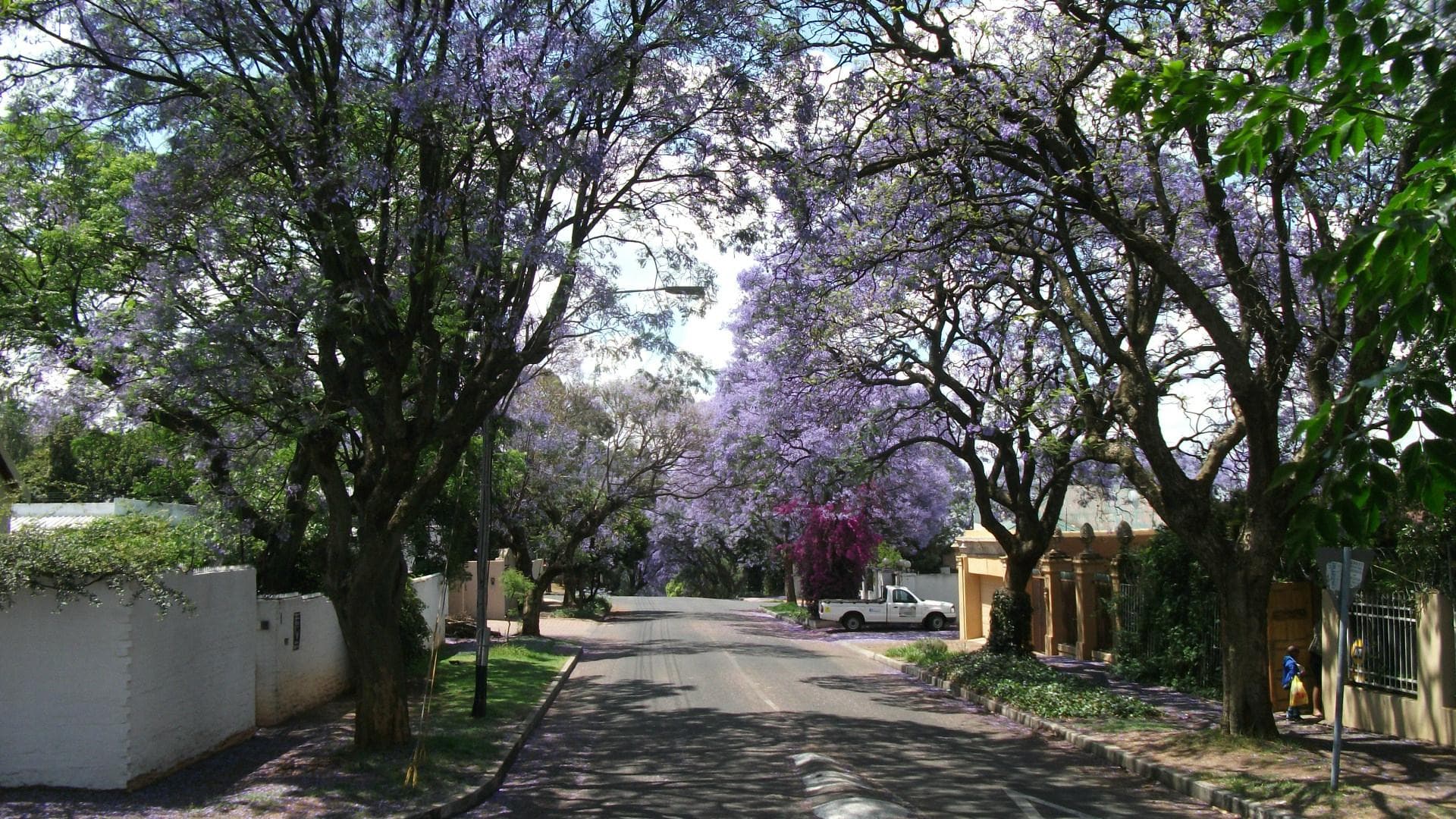
Begin your visit by wandering through the historic Yukarıkaraman neighborhood. This area is characterized by traditional Ottoman and Seljuk-era stone houses with distinctive wooden balconies and carved details. The narrow, cobblestone streets create a peaceful atmosphere perfect for a couple's stroll. You'll see local residents going about their day and get a sense of traditional Turkish neighborhood life. The architecture here dates back centuries and represents Konya's historical significance as a cultural center.
Yukarıkaraman Neighborhood
Why Visit
This neighborhood offers an authentic glimpse into traditional Turkish architecture and daily life away from modern developments. The well-preserved stone houses and quiet streets provide a romantic setting for couples to explore together while appreciating centuries of history. It's the perfect introduction to Konya's cultural heritage before visiting more famous sites.
Visit in the afternoon when the light casts beautiful shadows on the stone buildings. Wear comfortable shoes for the uneven cobblestone streets. Address: Yukarıkaraman Mahallesi, Selçuklu, Konya.
2
Architecture and Local Markets
Day 2 of your journey
3
Museums and Culinary Exploration
Day 3 of your journey
4
Local Life and Departure
Day 4 of your journey
Before You Go
Essential Travel Tips
Konya is a conservative city; dress modestly, especially when visiting religious sites (cover shoulders and knees).
The local currency is Turkish Lira (TRY); credit cards are widely accepted, but carry some cash for smaller establishments and markets.
Basic Turkish phrases are appreciated; 'merhaba' (hello), 'teşekkür ederim' (thank you), and 'lütfen' (please) go a long way.
Public transportation in Konya includes buses and trams; taxis are affordable and convenient for reaching sites not within walking distance.
Konya has a continental climate with hot summers and cold winters; pack accordingly with layers.
Tipping is customary in restaurants; rounding up the bill or leaving 5-10% is appreciated.
Konya is generally safe, but take normal precautions with valuables in crowded areas.
Many museums are closed on Mondays; plan your itinerary accordingly.
When to Go
Best Time to Visit
The best times to visit Konya are spring (April to June) and autumn (September to October). During these periods, temperatures are mild, typically ranging from 15°C to 25°C (59°F to 77°F), making outdoor exploration comfortable. Spring brings blooming flowers, while autumn offers clear skies. Summer (July and August) can be hot, with temperatures often exceeding 30°C (86°F). Winter (December to February) is cold, with temperatures sometimes dropping below freezing, and occasional snow. The annual Mevlana Festival in December attracts many visitors but requires booking accommodations well in advance.
Local Insights & Tips
Konya is known as a spiritual center due to its association with Rumi and the Mevlevi Order (Whirling Dervishes). This influences local culture, which tends to be more conservative and traditional than in coastal Turkish cities. Respect for religious sites and modest dress are important. The city has a proud historical identity as a former Seljuk capital, reflected in well-preserved architecture. Locals are generally hospitable but may be reserved initially. Tea (çay) is central to social life—accepting an offer of tea is a sign of respect. Konya's cuisine is distinct within Turkey, with specialties like etli ekmek and fırın kebabı that reflect its inland Anatolian location. The pace of life is generally slower than in larger Turkish cities.