
4 DaysUkraineprovince
Mykolaivska Oblast
Your 4-day travel guide
The best time to visit Mykolaivska Oblast is during late spring (May to June) or early autumn (September to October). Th...
Mykolaivska Oblast•4D•All
Mykolaivska Oblast, Ukraine
Duration:4 Days
Activities:12
Best for:All travelers
Southern Ukraine's Cultural Crossroads and Culinary Traditions
Mykolaivska Oblast in southern Ukraine offers a compelling blend of maritime history, agricultural heritage, and cultural diversity. This region along the Southern Bug River and Black Sea coast has been shaped by Cossack traditions, shipbuilding industries, and fertile steppes. Visitors discover historic shipyards, traditional Ukrainian villages, and the unique cultural mix of Ukrainian, Russian, and Bulgarian influences. The oblast's strategic location between Odesa and Kherson makes it an accessible destination for those seeking authentic experiences beyond Ukraine's major tourist centers, with opportunities to explore both urban centers and rural landscapes.
Get Real Local Advice
Ask someone who actually lives in Mykolaivska Oblast
1
Maritime History and Urban Culture
Day 1 of your journey
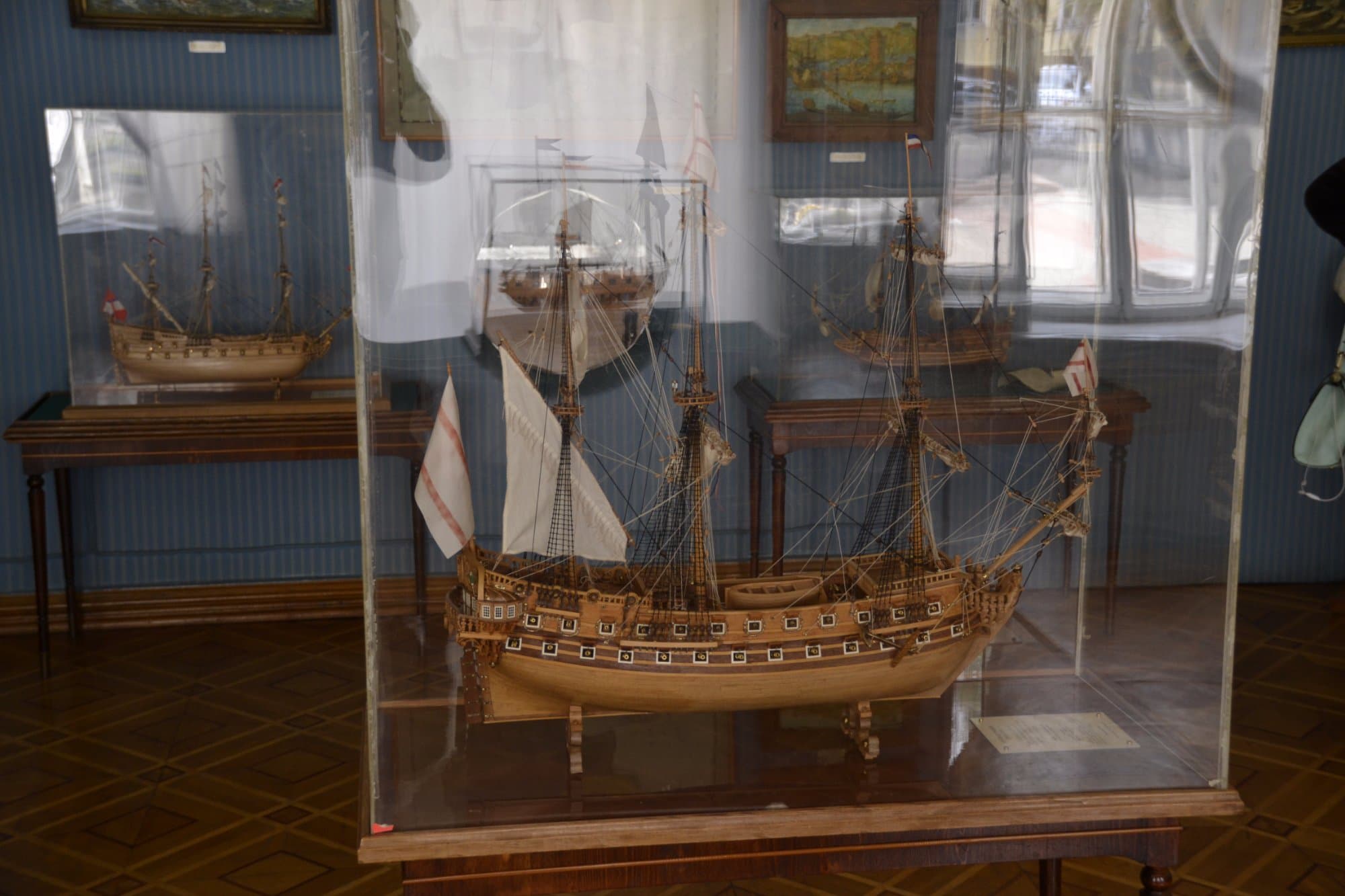
This comprehensive museum occupies a historic admiralty building and showcases Mykolaiv's 200-year shipbuilding heritage. Visitors see scale models of ships, historical documents, and exhibits about Black Sea naval history. The collection includes artifacts from sailing ships to modern vessels, with particular focus on the city's role in imperial Russian and Soviet naval development. Allow about 2 hours to appreciate the detailed displays. The museum provides excellent context for understanding Mykolaiv's identity as a shipbuilding center.
Museum of Shipbuilding and Fleet
Why Visit
This museum offers the most complete understanding of Mykolaiv's identity as Ukraine's historic shipbuilding capital. The collection provides unique insights into maritime technology development and regional history that you won't find elsewhere in Ukraine. For couples interested in industrial heritage, it presents an opportunity to learn together about this specialized aspect of Ukrainian culture.
Address: Spaska St, 31. Check the museum's website for temporary exhibitions, which often feature contemporary Ukrainian artists alongside historical displays. The building itself is architecturally significant, so take time to appreciate the exterior.
2
Riverfront Charm and Regional History
Day 2 of your journey
3
Ethnic Heritage and Traditional Villages
Day 3 of your journey
4
Regional Crafts and Culinary Traditions
Day 4 of your journey
Before You Go
Essential Travel Tips
Ukrainian is the official language, but Russian is widely spoken in Mykolaivska Oblast. Learning basic Ukrainian phrases is appreciated.
The local currency is the Ukrainian hryvnia (UAH). Credit cards are accepted in cities but carry cash for smaller establishments and markets.
Public transportation between cities includes buses and marshrutky (minibuses). Schedule information is often in Ukrainian or Russian.
Spring (April-June) and early autumn (September-October) offer pleasant weather for exploring with fewer tourists.
Dress modestly when visiting religious sites or traditional communities. Shoulders and knees should be covered.
Tap water is generally safe in cities but many locals drink bottled or filtered water. Restaurants typically serve bottled water.
Tipping 10% is customary in restaurants if service charge isn't included. Round up taxi fares.
Check current travel advisories and local conditions before visiting, as situations can change.
When to Go
Best Time to Visit
The best time to visit Mykolaivska Oblast is during late spring (May to June) or early autumn (September to October). These periods offer mild temperatures, generally between 15-25°C (59-77°F), making outdoor exploration comfortable. Summer (July-August) can be hot, with temperatures sometimes exceeding 30°C (86°F), though this is peak season for domestic tourism. Winter (December-February) brings cold weather with temperatures often below freezing and potential snowfall. Spring brings blooming landscapes while autumn offers harvest-related cultural events and beautiful foliage in parks and rural areas.
Local Insights & Tips
Mykolaivska Oblast reflects the cultural diversity of southern Ukraine, with Ukrainian traditions blending with Russian, Bulgarian, and other influences. The region has strong agricultural roots, and food culture emphasizes fresh, local ingredients. Hospitality is important, and visitors may be invited to share meals or drinks. Traditional crafts like embroidery, pottery, and woodworking continue in many communities. Religious observance varies, with Orthodox Christianity being predominant. The region has experienced significant historical changes, and residents often have strong connections to both Ukrainian national identity and local traditions. Respect for elders and traditional values is generally appreciated in social interactions.