
4 DaysUkraineprovince
Poltavska Oblast
Your 4-day travel guide
The optimal time to visit Poltavska Oblast is late spring (May to early June) or early autumn (September to early Octobe...
Poltavska Oblast•4D•All
Poltavska Oblast, Ukraine
Duration:4 Days
Activities:12
Best for:All travelers
Cossack Heritage and Ukrainian Heartland
Poltavska Oblast in central Ukraine offers a journey through the nation's soul, where Cossack history meets agricultural abundance. This region, known as the 'breadbasket of Ukraine,' features rolling plains, historic towns, and a rich cultural legacy. Visitors will discover museums preserving the Battle of Poltava's memory, traditional Ukrainian architecture, and authentic cuisine rooted in local produce. The area provides a slower-paced alternative to major cities, with welcoming communities and well-preserved landmarks. For couples interested in culture and food, it presents opportunities to explore together through shared historical discoveries and culinary experiences.
Get Real Local Advice
Ask someone who actually lives in Poltavska Oblast
1
Historical Exploration and City Introduction
Day 1 of your journey
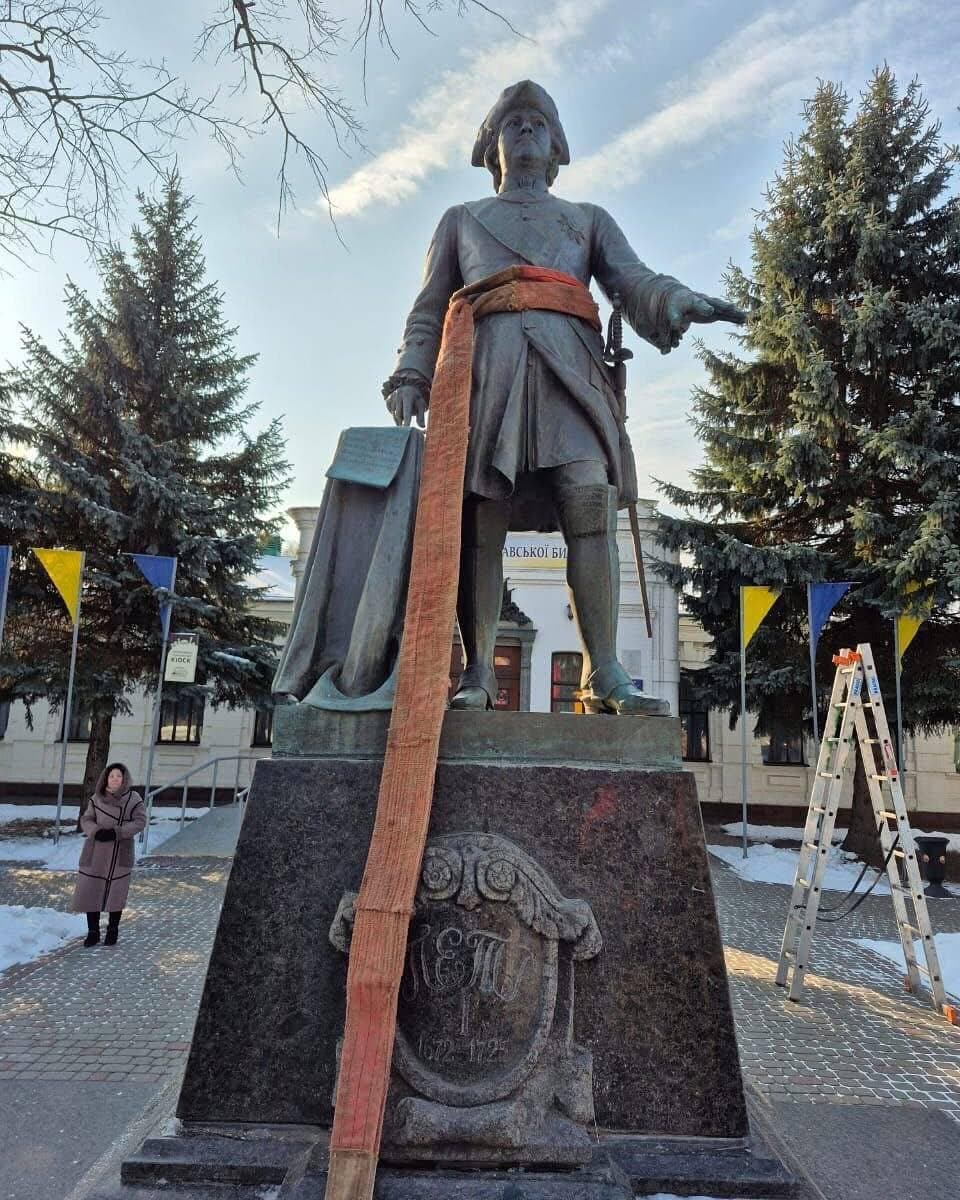
This museum provides comprehensive insight into the 1709 Battle of Poltava, a pivotal event in European history. Exhibits include weapons, uniforms, maps, and dioramas detailing the conflict between Peter the Great's Russia and Charles XII's Sweden. Visitors typically spend 2-3 hours exploring the collections and learning about the battle's political consequences. The museum is housed in a historic building with informative displays in Ukrainian and some English explanations. It's best visited in the morning when crowds are smaller.
Poltava Battle History Museum
Why Visit
The Battle of Poltava fundamentally reshaped Eastern European power dynamics, making this museum essential for understanding regional history. The well-curated exhibits bring this significant military engagement to life through artifacts and detailed explanations. For couples interested in culture, it provides shared learning about a crucial historical moment that influenced Ukraine's development and relationships with neighboring countries.
Address: Zhovtneva Street, 2. Combine your visit with the nearby Monument of Glory for context about the battle's location. The museum shop offers quality historical books and souvenirs.
2
Literary Heritage and Regional Crafts
Day 2 of your journey
3
Cossack History and Rural Traditions
Day 3 of your journey
4
Folk Art and Return to Poltava
Day 4 of your journey
Before You Go
Essential Travel Tips
Ukrainian is the official language, though some people in tourist areas speak basic English. Learning a few Ukrainian phrases is appreciated.
The local currency is the Ukrainian hryvnia (UAH). Credit cards are accepted in cities but carry cash for smaller towns and markets.
Public transportation within cities includes buses and marshrutky (minibuses). For intercity travel, trains and buses connect major towns.
Poltavska Oblast is generally safe, but exercise normal precautions with valuables in crowded areas.
Dress modestly when visiting religious sites, with shoulders and knees covered. Women may need headscarves in some churches.
Tipping 10% is customary in restaurants for good service, though not mandatory.
Many museums close on Mondays, so plan accordingly. Check specific opening hours as they can vary.
Spring and autumn offer the most comfortable weather for exploring, with mild temperatures and fewer tourists.
When to Go
Best Time to Visit
The optimal time to visit Poltavska Oblast is late spring (May to early June) or early autumn (September to early October). These periods offer mild temperatures averaging 15-22°C (59-72°F), comfortable for walking and exploring outdoor sites. Spring brings blooming flowers in parks and gardens, while autumn features harvest season with local produce at markets. Summer (July-August) can be warm with temperatures reaching 30°C (86°F), though museums provide cool retreats. Winter (December-February) is cold with potential snow, limiting outdoor activities but offering fewer tourists. Cultural events and festivals often occur in summer and early autumn.
Local Insights & Tips
Poltavska Oblast maintains strong connections to Ukrainian traditions, with folk crafts, music, and culinary practices preserved in daily life. The region takes pride in its Cossack heritage, visible in museums and cultural references. Hospitality is important, with locals often welcoming visitors warmly. Meals are social occasions, and sharing food represents friendship. Religious traditions remain significant, with Orthodox Christianity influencing customs and calendar observances. The pace of life is generally slower than in major cities, reflecting the agricultural character of the region. When visiting homes or certain establishments, removing shoes is customary. Poltavshchyna (the local name) has distinct dialect features and folk traditions that differentiate it from other Ukrainian regions.