
4 DaysUkraineprovince
Zhytomyrska Oblast
Your 4-day travel guide
The best time to visit Zhytomyrska Oblast is from late spring to early autumn, specifically May through September. Durin...
Zhytomyrska Oblast•4D•All
Zhytomyrska Oblast, Ukraine
Duration:4 Days
Activities:12
Best for:All travelers
Forests, Folk Traditions, and Ukrainian Heartland
Zhytomyrska Oblast in northern Ukraine offers a journey through the country's cultural and natural heritage. This region, with its dense forests, historic towns, and agricultural plains, provides an authentic look at Ukrainian life beyond the major cities. For couples interested in culture and food, it presents a mix of museums dedicated to space exploration and literary figures, historic wooden architecture, and hearty local cuisine. The pace is relaxed, perfect for exploring together, with opportunities to connect over traditional meals and quiet walks in scenic river valleys.
Get Real Local Advice
Ask someone who actually lives in Zhytomyrska Oblast
1
Urban History and Space Legacy
Day 1 of your journey
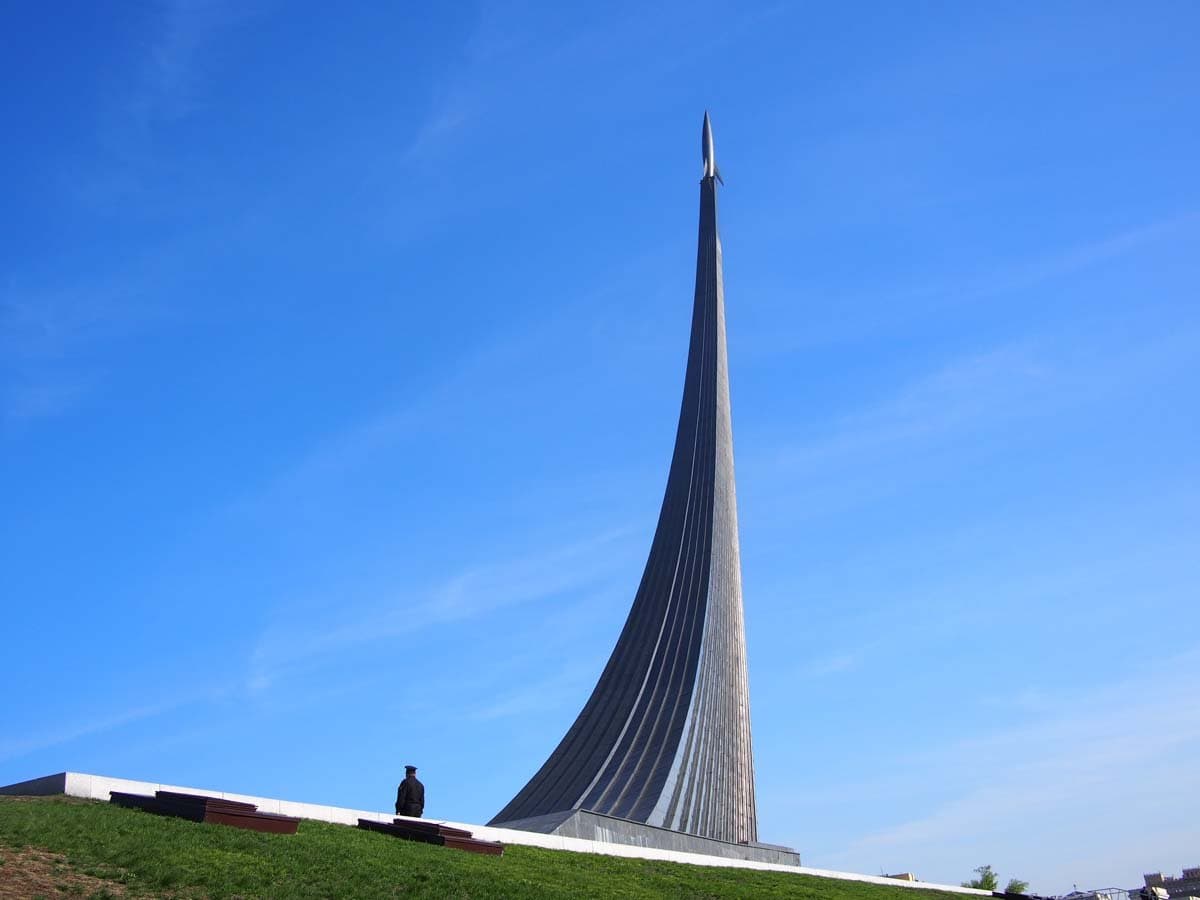
This museum is dedicated to Sergei Korolev, the chief designer of the Soviet space program, who was born in Zhytomyr. Visitors will see models of rockets and spacecraft, including Vostok and Soyuz, personal artifacts, and documents detailing the early years of space exploration. The exhibits are informative and showcase a significant part of 20th-century history. Plan for about two hours to see everything. It's open Tuesday to Sunday, typically from 10:00 to 17:00.
Sergei Korolev Museum of Cosmonautics
Why Visit
This museum offers a unique perspective on the Space Race from the Soviet side, highlighting Zhytomyr's connection to a pivotal global achievement. For a couple, it's a fascinating shared learning experience about science and history, providing conversation starters and a deeper understanding of the region's modern significance.
Check the museum's website for any temporary exhibitions. The staff often speak limited English, so using a translation app for descriptions can be helpful. Address: 1 Koroleva Street.
2
Wooden Architecture and Riverside Serenity
Day 2 of your journey
3
Folk Art and Countryside Charm
Day 3 of your journey
4
Forest Walks and Local Markets
Day 4 of your journey
Before You Go
Essential Travel Tips
The local currency is the Ukrainian hryvnia (UAH). Have cash, as credit cards are not accepted everywhere, especially in smaller towns.
Basic Ukrainian or Russian phrases are helpful. English is not widely spoken outside tourist centers, so a translation app is recommended.
Public transport includes trains and marshrutkas (shared minibuses). For flexibility between smaller towns, taxis or ride-sharing apps are practical.
Zhytomyrska Oblast is generally safe, but take standard precautions with valuables, especially in crowded areas like markets.
Dress modestly when visiting religious sites like monasteries. Shoulders and knees should be covered.
Tipping is not mandatory but appreciated in restaurants; rounding up the bill or leaving 5-10% is common.
Check opening hours for museums and attractions in advance, as they can vary, particularly on Mondays or in smaller locations.
The region has a continental climate. Pack layers, comfortable walking shoes, and an umbrella or rain jacket, as weather can change.
When to Go
Best Time to Visit
The best time to visit Zhytomyrska Oblast is from late spring to early autumn, specifically May through September. During these months, the weather is mild to warm, with average temperatures ranging from 15°C to 25°C (59°F to 77°F), making it comfortable for sightseeing and outdoor activities. Summers (June-August) are the warmest, with longer daylight hours, but can occasionally have rain. Spring (May) and early autumn (September) offer pleasant temperatures and fewer tourists. Winters (December-February) are cold, with temperatures often below freezing and potential snow, which can limit outdoor exploration but may appeal for a quieter visit.
Local Insights & Tips
Zhytomyrska Oblast is part of Ukraine's heartland, with a culture rooted in agriculture, forestry, and history. Locals are generally hospitable but reserved; a polite demeanor is appreciated. The region has a mix of Ukrainian and Russian language use, with Ukrainian being the official language. Traditional customs are observed, especially in villages, with folk crafts like pottery in Andrushivka being a point of pride. Food culture emphasizes hearty, home-style dishes using local ingredients like potatoes, beets, and dairy. When visiting markets or small shops, bargaining is not common; prices are usually fixed. Respect for historical sites and religious traditions is important, as the area has seen significant events over centuries.