4 DaysUnited Statesprovince
North Dakota
Your 4-day travel guide
Late May through September offers the most pleasant weather for exploring North Dakota, with warm days, cool nights, and...
North Dakota•4D•All
North Dakota, United States
Duration:4 Days
Activities:12
Best for:All travelers
Prairie Culture and Heartland Flavors
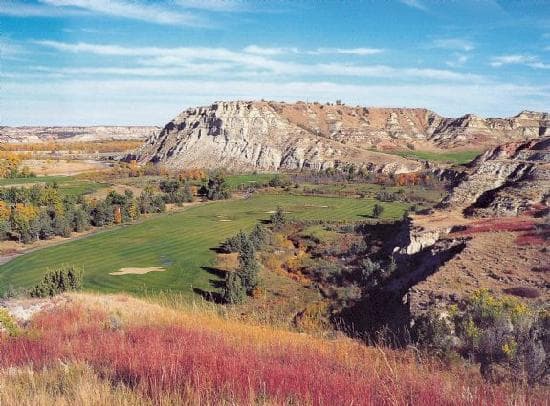
North Dakota offers a journey through America's heartland, where expansive prairies meet rich cultural heritage and genuine hospitality. This itinerary explores the state's unique blend of Native American history, Scandinavian influences, and agricultural traditions. From the vibrant arts scene in Fargo to the historic sites of Bismarck and the natural beauty of Theodore Roosevelt National Park, you'll discover a destination that celebrates its roots while offering surprising culinary experiences. The state's wide-open spaces and friendly communities create an ideal setting for couples seeking authentic cultural immersion and regional cuisine.
Get Real Local Advice
Ask someone who actually lives in North Dakota
1
Urban Arts and Dining
Day 1 of your journey
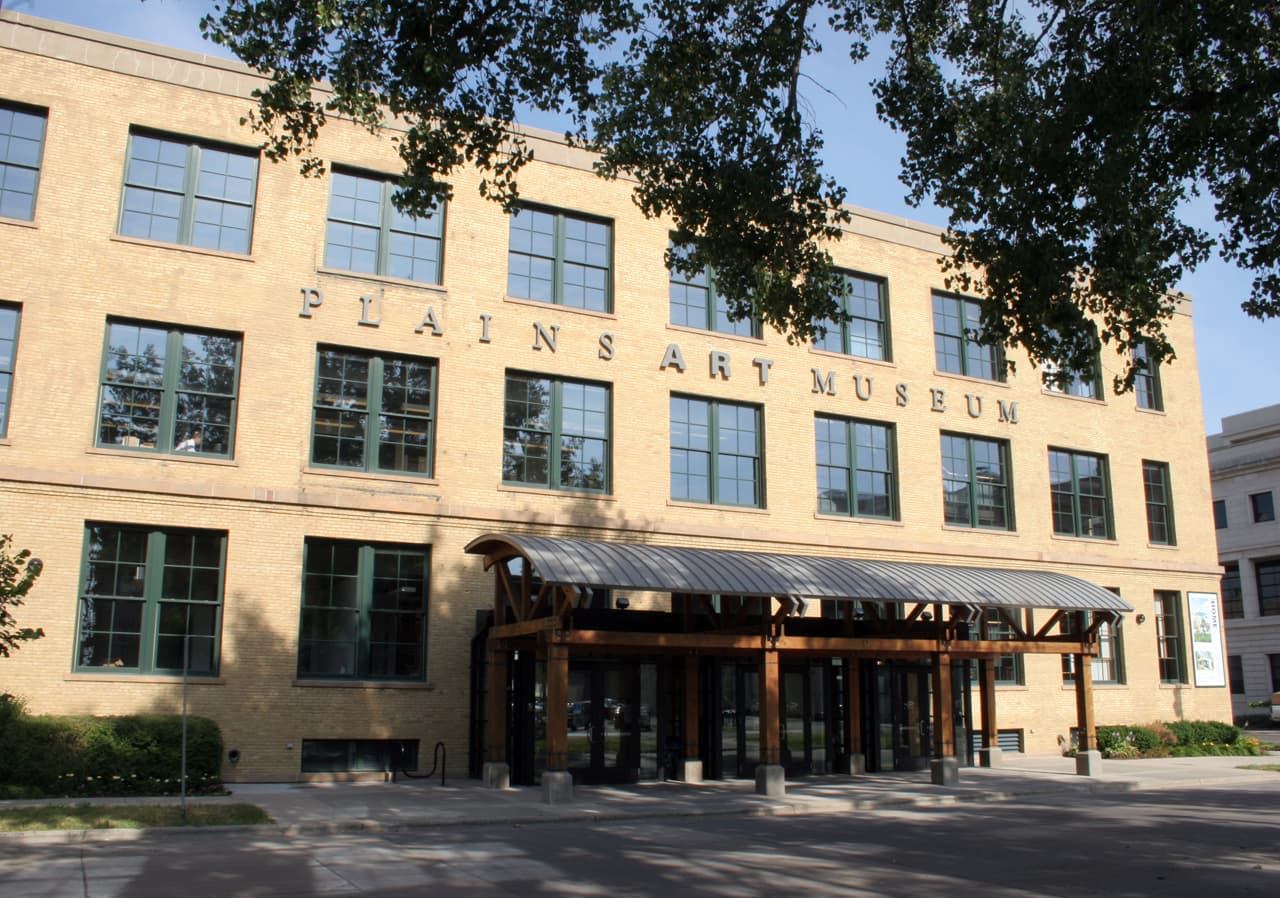
The Plains Art Museum in downtown Fargo features contemporary and traditional art with a focus on regional artists. Visitors can view rotating exhibitions across three floors, including Native American art, folk art, and modern installations. The museum is housed in a renovated historic warehouse, creating an interesting architectural space. Plan for about two hours to see the main galleries, with special attention to the permanent collection of Plains Indian artifacts. Admission is free, though donations are appreciated.
Plains Art Museum
Why Visit
This museum provides essential cultural context for understanding North Dakota's artistic heritage, particularly through its extensive collection of Native American art. As the largest art museum in the state, it showcases how regional artists interpret the prairie landscape and local history. The free admission makes it accessible for all visitors, and the quality of exhibitions often surprises those expecting a small-town museum experience.
Check the museum's website for current exhibitions before visiting, as they change regularly. Address: 704 1st Avenue North, Fargo. Parking is available in the adjacent lot or on nearby streets.
2
State History and Capitol Exploration
Day 2 of your journey
3
Native American Culture and Missouri River
Day 3 of your journey
4
Badlands and Western Heritage
Day 4 of your journey
Before You Go
Essential Travel Tips
North Dakota has extreme temperature variations between seasons. Summer days can be hot (80-90°F) while nights cool significantly. Winter temperatures often drop below freezing with substantial snow.
Rental cars are essential for exploring North Dakota beyond major cities. Distances between attractions are significant, and public transportation is limited outside urban areas.
Sales tax varies by city but is generally around 5-7%. Some cities have additional lodging taxes. Tipping 15-20% at restaurants is standard.
Cell phone coverage can be spotty in rural areas and national parks. Download maps and information before traveling to remote locations.
North Dakota is in the Central Time Zone. Daylight Saving Time is observed from March to November.
Many museums and cultural sites in North Dakota offer free admission or suggested donations. Always check websites for current hours and fees.
The drinking age is 21. Some smaller towns have restrictions on alcohol sales, particularly on Sundays.
North Dakota has low crime rates, but standard travel precautions apply, especially regarding weather preparedness when driving long distances.
When to Go
Best Time to Visit
Late May through September offers the most pleasant weather for exploring North Dakota, with warm days, cool nights, and full access to outdoor attractions. Summer temperatures average 70-85°F, though heat waves can occur. This period coincides with operating seasons for many cultural sites and river cruises. Fall (September-October) brings beautiful prairie colors and fewer crowds but cooler temperatures. Winter (November-March) is cold with snow, limiting outdoor activities but offering unique experiences like snowshoeing. Spring (April-May) can be muddy with variable weather as snow melts.
Local Insights & Tips
North Dakota culture emphasizes practicality, community, and connection to the land. Residents are generally friendly and helpful to visitors but appreciate direct communication. The state has significant Native American populations, particularly the Mandan, Hidatsa, Arikara, Lakota, and Dakota nations, whose cultural influence is visible in place names, art, and events. German-Russian and Scandinavian heritage also shapes food traditions and community festivals. Conversation topics often include weather, agriculture, and local sports. When visiting cultural or historical sites related to Native Americans, respectful engagement is important—many sites have spiritual significance beyond their historical value. The pace of life is generally slower than in coastal cities, with more emphasis on personal interaction than efficiency.