4 DaysUzbekistanprovince
Buxoro
Your 4-day travel guide
The ideal visiting period is April to early June and September to October when temperatures are mild (15-25°C/59-77°F) a...
Buxoro•4D•All
Buxoro, Uzbekistan
Duration:4 Days
Activities:12
Best for:All travelers
Silk Road Splendor and Culinary Delights
Buxoro (Bukhara) Province in Uzbekistan is a living museum of Central Asian history, where ancient Islamic architecture meets vibrant bazaars and warm hospitality. As a UNESCO World Heritage site, the region preserves over 2,500 years of Silk Road legacy through its stunning madrasas, mosques, and caravanserais. For couples seeking cultural immersion and authentic cuisine, Buxoro offers intimate exploration of winding old town alleys, sunset views from minarets, and hands-on culinary experiences. The province's compact size allows for easy travel between its historic cities, each with distinct character while sharing the region's rich Persian-influenced heritage.
Get Real Local Advice
Ask someone who actually lives in Buxoro
1
Historic Bukhara Introduction
Day 1 of your journey
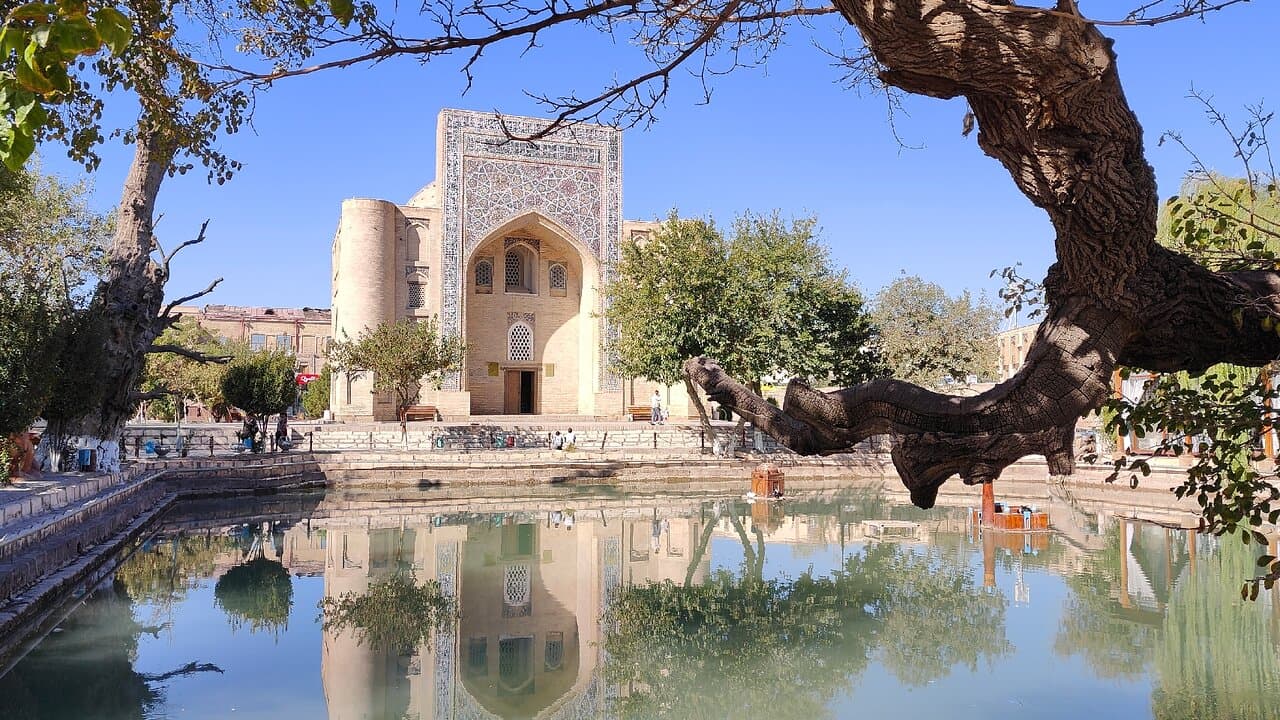
Start your journey at this 17th-century plaza centered around a historic pool, surrounded by mulberry trees and traditional architecture. The complex includes the Nadir Divan-Begi Madrasa and Khanaka, featuring beautiful tilework. Couples can enjoy tea at one of the surrounding chaikhanas while observing local life. Morning visits avoid crowds and offer comfortable temperatures. Allow time to appreciate the intricate details of the buildings' facades and the peaceful atmosphere of this social hub.
Lyabi-Hauz
Why Visit
Lyabi-Hauz represents the heart of old Bukhara's social life and showcases perfect Timurid-era architecture. The symmetrical design around the reflecting pool creates romantic photo opportunities, while the surrounding teahouses offer authentic local experiences. This introduction to Bukhara's urban planning demonstrates how water management shaped desert city life.
Visit the small handicraft shops inside the madrasa for quality souvenirs without the market pressure. The teahouse on the northwest corner serves excellent green tea with traditional sweets. Address: Lyabi-Hauz area, Bukhara.
2
Architectural Masterpieces and Markets
Day 2 of your journey
3
Day Trip to Historic Gijduvon
Day 3 of your journey
4
Romantic Finale and Departure
Day 4 of your journey
Before You Go
Essential Travel Tips
Uzbekistan uses the Uzbek som (UZS). Exchange money at banks or official exchange offices, not on the street. US dollars and euros are easiest to exchange.
Learn basic Russian or Uzbek phrases. While younger people may speak English, market vendors and taxi drivers typically don't.
Dress modestly, especially when visiting religious sites. Women should carry a scarf for mosque visits.
Drink bottled water and avoid tap water. Many restaurants serve filtered water.
Bargaining is expected in markets but be respectful. Start at 50-60% of asking price.
Carry cash as many smaller establishments don't accept credit cards. ATMs are available in Bukhara city.
Summer temperatures exceed 40°C (104°F). Plan indoor activities midday and carry water.
Register with your hotel for visa compliance if staying more than 3 days in one location.
When to Go
Best Time to Visit
The ideal visiting period is April to early June and September to October when temperatures are mild (15-25°C/59-77°F) and rainfall is minimal. Spring brings blooming flowers and comfortable exploration conditions. Autumn offers harvest festivals and clear skies. July and August experience extreme heat exceeding 40°C (104°F), making outdoor activities challenging. Winter months (November to February) can be cold with occasional snow, though fewer tourists and lower prices may appeal to some visitors. Major cultural festivals occur in spring and autumn.
Local Insights & Tips
Bukhara maintains conservative Islamic traditions blended with Soviet influences and emerging tourism. Hospitality is deeply valued—accept tea invitations when offered. Meals begin with non (bread) placed upside down for guests. Remove shoes when entering homes and some traditional establishments. Friday prayers draw large crowds to major mosques. The old city operates at a relaxed pace; patience is appreciated. Family connections remain central to social life. While alcohol is available, public drunkenness is frowned upon. Photography of locals requires permission, especially of women. The region's Persian heritage influences language, cuisine, and artistic traditions distinct from other Uzbek areas.