4 DaysVenezuela
Catia La Mar
Your 4-day travel guide
The best time to visit Catia La Mar is during the dry season from December to April when rainfall is minimal and tempera...
Catia La Mar•4D•All
Catia La Mar, Venezuela
Duration:4 Days
Activities:12
Best for:All travelers
Coastal Flavors and Local Rhythms
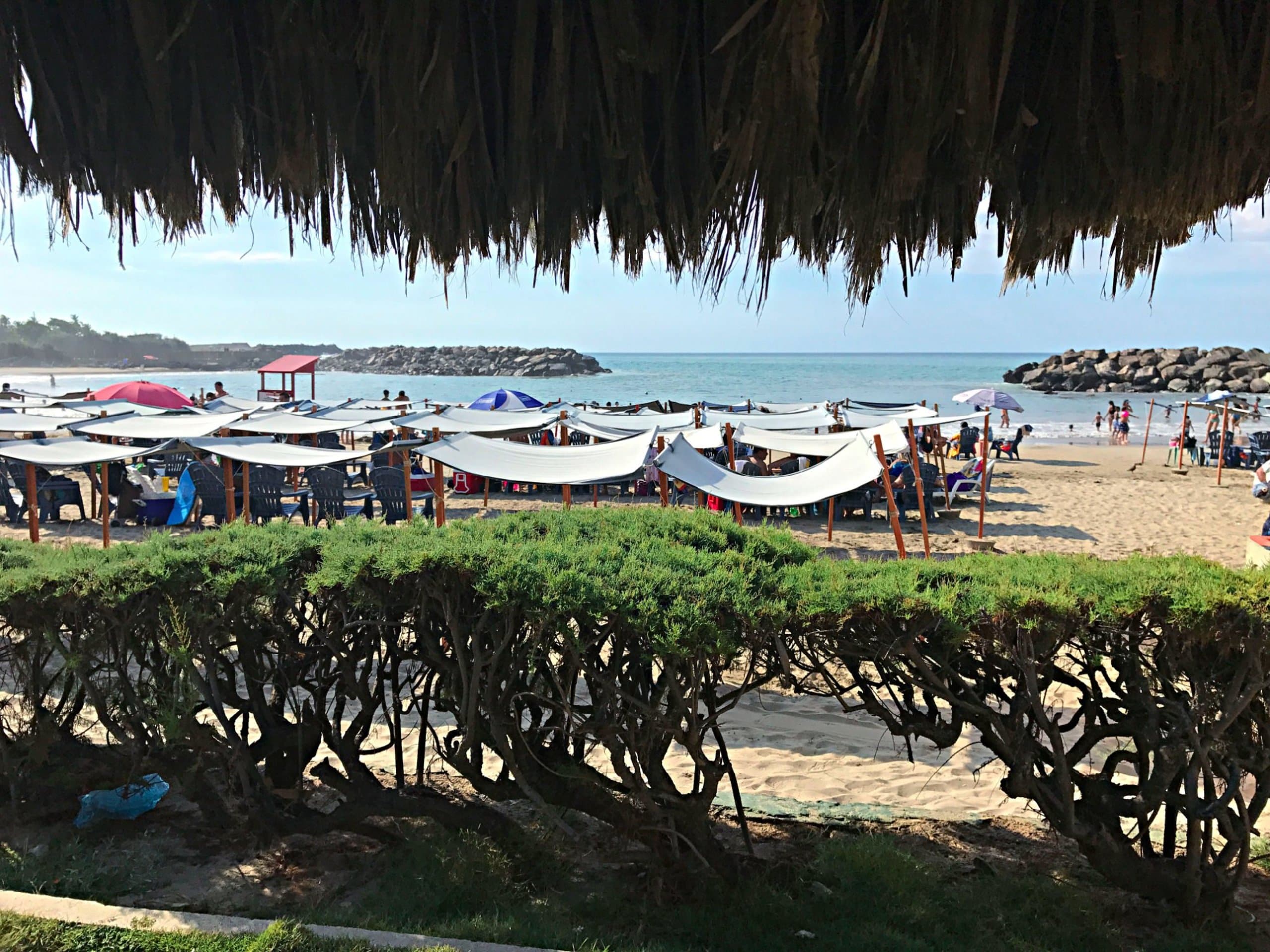
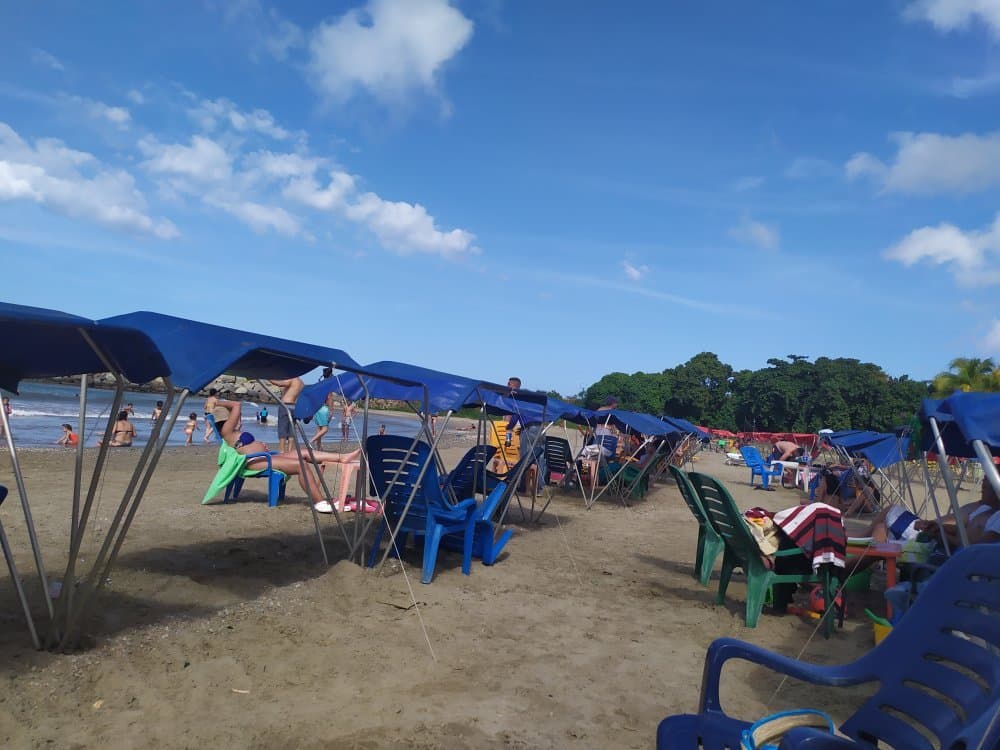
Catia La Mar is a coastal town in Venezuela's Vargas state, located just 30 kilometers from Caracas along the Caribbean coast. This destination offers a more relaxed alternative to the capital, with a working-class character and authentic Venezuelan atmosphere. While not a major tourist hub, it provides genuine local experiences, particularly in its seafood-focused culinary scene and community-oriented culture. The town serves as a gateway to nearby beaches and offers insight into everyday Venezuelan life outside the big city, with its modest waterfront and residential neighborhoods.
Get Real Local Advice
Ask someone who actually lives in Catia La Mar
1
Coastal Arrival and Local Tastes
Day 1 of your journey
Begin your visit with a walk along the Malecón, the town's modest waterfront promenade. This area offers views of the Caribbean Sea and provides orientation to the town's layout. You'll see local fishermen at work and get a sense of the community's relationship with the sea. The walk is best done in late morning before the midday heat, taking about an hour at a leisurely pace. This gives you immediate exposure to the coastal setting that defines much of the local culture.
Catia La Mar Malecón
Why Visit
The Malecón provides immediate immersion into Catia La Mar's coastal identity. It's where you'll first experience the sea breeze, observe local fishing activities, and understand the town's geography. This orientation walk helps couples get their bearings while enjoying casual seaside views together in a relaxed setting.
Wear comfortable walking shoes as some sections may be uneven. The best views are near the fishing docks where boats come and go throughout the day.
2
Community Culture and Evening Dining
Day 2 of your journey
3
Local Life and Culinary Exploration
Day 3 of your journey
4
Coastal Farewell and Culinary Memories
Day 4 of your journey
Before You Go
Essential Travel Tips
Venezuela uses the bolívar as currency, but U.S. dollars are widely accepted. Carry small bills for easier transactions.
Spanish is essential - very few people speak English in Catia La Mar. Learn basic phrases for ordering food and asking directions.
Public transportation includes buses and shared taxis called 'por puestos.' Agree on fares before starting journeys.
Safety requires vigilance, especially after dark. Avoid displaying valuables and use registered taxis for evening transportation.
Venezuela has frequent power outages. Carry a power bank for devices and be prepared for intermittent electricity.
Tap water is not safe to drink. Use bottled water even for brushing teeth.
Venezuelans eat late - lunch around 1-3 PM, dinner after 8 PM. Adjust your schedule accordingly.
Dress modestly when visiting religious sites. Cover shoulders and knees as a sign of respect.
When to Go
Best Time to Visit
The best time to visit Catia La Mar is during the dry season from December to April when rainfall is minimal and temperatures are warm but comfortable. May through November brings more rain, particularly September to November which is the wettest period. The coastal location means temperatures remain fairly consistent year-round, typically ranging from 25°C to 30°C (77°F to 86°F). December to February offers the most reliable weather for exploring, though this period may see more visitors from Caracas escaping the city on weekends.
Local Insights & Tips
Catia La Mar functions primarily as a residential community and fishing port rather than a tourist destination. The culture reflects working-class Venezuelan life with strong community ties and Catholic traditions. Locals are generally friendly but reserved with outsiders until familiarity develops. The pace of life is slower than in Caracas, with emphasis on family and community interactions. Food culture centers on fresh seafood and traditional Venezuelan dishes rather than international cuisine. Evenings often involve socializing at family homes or casual local eateries rather than nightlife venues. Respect for elders and modest dress in religious contexts are valued. Economic challenges mean infrastructure may be basic, but hospitality remains important in local culture.