4 DaysVenezuela
Ciudad Guayana
Your 4-day travel guide
The best time to visit Ciudad Guayana is during the dry season, which runs from December to April. During these months, ...
Ciudad Guayana•4D•All
Ciudad Guayana, Venezuela
Duration:4 Days
Activities:12
Best for:All travelers
Steel, Rivers, and Venezuelan Flavors
Ciudad Guayana is a planned industrial city in eastern Venezuela, strategically located at the confluence of the Caroní and Orinoco rivers. Unlike traditional colonial towns, its character is defined by its 20th-century development as a center for hydroelectric power, steel production, and aluminum. For travelers, this offers a unique perspective on modern Venezuela, with its mix of functional urban planning, significant engineering landmarks, and access to the powerful natural forces of the rivers. The city is divided into distinct zones like Puerto Ordaz and San Félix, each with its own rhythm. This itinerary focuses on the authentic cultural and culinary experiences that exist within this industrial landscape, perfect for a couple seeking to understand a different facet of the country.
Get Real Local Advice
Ask someone who actually lives in Ciudad Guayana
1
Industrial Heritage and River Views
Day 1 of your journey
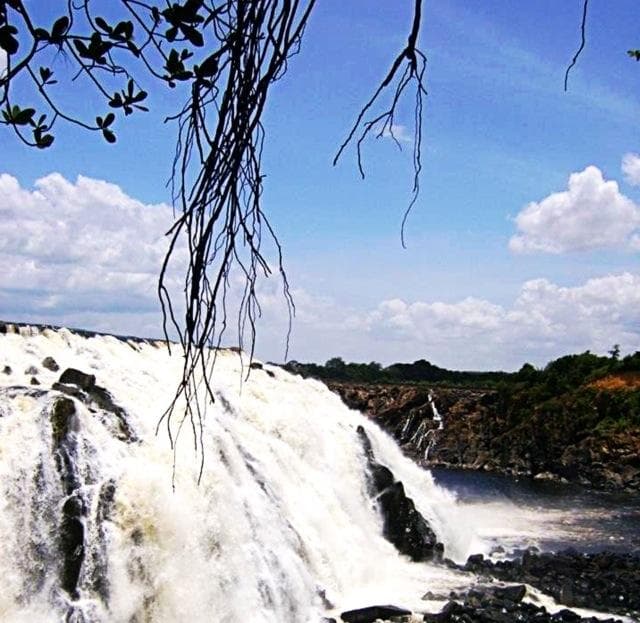
Start your exploration at Parque La Llovizna, a large urban park built around the waterfalls and channels created by the Macagua Dam complex, part of the massive Guri hydroelectric system. You can walk along paved paths, cross bridges over rushing water, and see the impressive spillways. The park offers a green respite and showcases human engineering harmonizing with the Caroní River's power. It's best visited in the morning to avoid the afternoon heat, and a typical visit takes a couple of hours to enjoy the views and walk the main circuits.
Parque La Llovizna and Macagua Dam
Why Visit
This site is fundamental to understanding Ciudad Guayana's identity. It directly connects you to the hydroelectric power that fuels the region's industry and much of Venezuela. For a couple, it provides a dramatic and photogenic natural-engineering hybrid landscape that is both a peaceful walk and a lesson in national infrastructure, perfectly blending the trip's cultural theme with impressive scenery.
Address: Avenida Guayana, Puerto Ordaz. Wear comfortable walking shoes as the paths can be long. The park is generally safe during daylight hours, but it's advisable to stay on the main marked trails.
2
History, Art, and Local Markets
Day 2 of your journey
3
Urban Exploration and Evening Dining
Day 3 of your journey
4
Relaxation and Final Impressions
Day 4 of your journey
Before You Go
Essential Travel Tips
Currency is the Venezuelan Bolívar (VES). Due to hyperinflation, foreign currency (USD) is widely used for larger transactions. Carry small denominations of USD for taxis, markets, and small purchases.
The city is spread out. Use registered taxis or ride-hailing apps like Ridery for reliable transport between Puerto Ordaz and San Félix. Agree on fares in advance if not using an app.
Spanish is essential. Very little English is spoken in shops, restaurants, or taxis. Learning basic phrases will greatly improve your experience.
Safety requires vigilance. Avoid displaying expensive jewelry or electronics. Use hotel safes. Stick to well-trafficked areas during the day and take official taxis at night.
Power outages and water shortages can occur. It's wise to keep a power bank charged and some bottled water in your hotel room.
Venezuelans are generally warm and helpful. A polite 'Buenos días/tardes' goes a long way. Be patient with service, as economic challenges can affect operations.
Tap water is not safe to drink. Consume only bottled or filtered water, even for brushing teeth.
Credit cards from international banks are often not accepted due to sanctions. Plan to operate primarily with cash (USD).
When to Go
Best Time to Visit
The best time to visit Ciudad Guayana is during the dry season, which runs from December to April. During these months, rainfall is significantly lower, making outdoor exploration of parks like Llovizna and Cachamay much more pleasant. The humidity is still present but more manageable. The wet season (May to November) brings heavy, frequent rains that can disrupt plans and make some areas muddy. Temperatures are consistently warm to hot year-round, typically ranging from 24°C to 34°C (75°F to 93°F).
Local Insights & Tips
Ciudad Guayana is a city of contrasts. The planned, more modern sector of Puerto Ordaz, with its malls and wide avenues, feels distinct from the older, more organic San Félix across the river. The city's identity is deeply tied to its industries—steel and aluminum—and the hydroelectric power from the Guri Dam. Culturally, it blends influences from the Venezuelan llanos (plains) and the Caribbean. People are resilient and proud of their city's role in the national economy. Social life often revolves around family, food, and shopping centers. Be respectful and understanding of the economic difficulties residents face; small acts of kindness and patience are appreciated. The pace is generally slower than in Caracas.