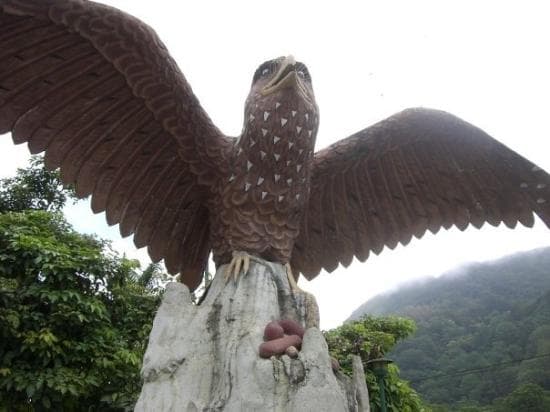
4 DaysVenezuela
Maturín
Your 4-day travel guide
Maturín experiences a tropical savanna climate with distinct wet and dry seasons. The dry season from December to April ...
Maturín•4D•All
Maturín, Venezuela
Duration:4 Days
Activities:12
Best for:All travelers
Monagas Flavors and Cultural Rhythms
Maturín, the capital of Monagas state in eastern Venezuela, serves as a gateway to the region's rich cultural heritage and agricultural bounty. Known as the 'Oil Capital of Venezuela' for its petroleum industry, the city blends modern development with traditional Venezuelan life. For couples seeking culture and food, Maturín offers a genuine experience through its museums celebrating local history, parks providing urban respite, and restaurants serving authentic regional cuisine like sancocho and hallacas. The city's relaxed pace allows for meaningful exploration of its landmarks and culinary traditions without the crowds of more touristy destinations.
Get Real Local Advice
Ask someone who actually lives in Maturín
1
Cultural Heritage and City Introduction
Day 1 of your journey
This museum, named after the renowned Venezuelan artist born in Maturín, showcases regional history, art, and cultural artifacts. Visitors will see exhibitions on indigenous cultures, colonial history, and contemporary art from Monagas state. The museum provides context about the area's development and artistic contributions. Plan for about 90 minutes to view the collections, with mornings being less crowded. The building itself represents modern Venezuelan architecture with clean lines and functional design.
Museo Mateo Manaure
Why Visit
The Museo Mateo Manaure offers the best introduction to Maturín's cultural identity and regional history. As the primary cultural institution in the city, it provides essential context about the people, traditions, and artistic expressions of eastern Venezuela. For couples interested in culture, this museum establishes a foundation for understanding everything else you'll experience in Maturín, from food traditions to local customs.
Check if temporary exhibitions are running, as they often feature contemporary Venezuelan artists. Address: Avenida Bolívar, near the city center. The museum is typically closed on Mondays.
2
Architectural Landmarks and Local Markets
Day 2 of your journey
3
Art Appreciation and Regional Cuisine
Day 3 of your journey
4
Local Life and Culinary Synthesis
Day 4 of your journey
Before You Go
Essential Travel Tips
Venezuela uses the bolívar as currency, but U.S. dollars are widely accepted in tourist areas; carry small bills for better exchange rates.
Spanish is essential as English is not widely spoken; learn basic phrases for restaurants and directions.
Public transportation includes buses and shared taxis called 'por puestos'; agree on fares before entering vehicles.
Safety requires standard precautions: avoid displaying valuables, use registered taxis at night, and stay in well-lit areas after dark.
Venezuelan dining times are later than in many countries; lunch typically starts around 1 PM, dinner after 8 PM.
Tipping is appreciated but not mandatory; 10% is customary for good service in restaurants.
Electrical outlets are Type A and B (120V, 60Hz), the same as in the United States and Canada.
Venezuela has a tropical climate; pack lightweight clothing, rain protection, and sun protection regardless of season.
When to Go
Best Time to Visit
Maturín experiences a tropical savanna climate with distinct wet and dry seasons. The dry season from December to April offers the most comfortable conditions with less rainfall and slightly lower humidity. Temperatures remain consistently warm year-round, typically ranging from 24°C to 32°C (75°F to 90°F). The wet season from May to November brings more frequent rainfall, usually in afternoon showers, which can affect outdoor activities. December through February sees the most visitors, though Maturín doesn't experience extreme tourist crowds like beach destinations. For optimal cultural exploration and dining experiences, the drier months provide more predictable conditions.
Local Insights & Tips
Maturín reflects Venezuelan cultural values of family, community, and hospitality. Residents typically greet with handshakes or, among friends, a single cheek kiss. Punctuality is flexible ('hora venezolana'), with social events often starting later than scheduled. The city's identity balances its petroleum industry importance with traditional eastern Venezuelan culture. Neighborhoods vary from commercial centers to residential areas with single-family homes. Sunday remains a family day, with many businesses closed or operating reduced hours. Venezuelans appreciate visitors showing interest in their culture and food; complimenting dishes or asking about local traditions fosters positive interactions. Public behavior is generally conservative; modest dress is appropriate except at beaches or pools.