
4 DaysVietnamprovince
Bình Định
Your 4-day travel guide
The ideal time to visit Bình Định is from February to April when rainfall is lowest and temperatures are pleasant (25-30...
Bình Định•4D•All
Bình Định, Vietnam
Duration:4 Days
Activities:12
Best for:All travelers
Ancient Cham Kingdoms and Coastal Flavors
Bình Định province in central Vietnam offers a rich blend of cultural heritage and culinary delights, making it an ideal destination for couples seeking both historical exploration and authentic experiences. Known as the heartland of the ancient Champa Kingdom, the region features well-preserved temple towers and museums showcasing this unique civilization. Beyond history, Bình Định boasts a stunning coastline with long sandy beaches, fishing villages where traditional methods are still practiced, and a distinctive local cuisine that reflects its coastal location. The provincial capital, Quy Nhơn, serves as a convenient base with modern amenities while maintaining a relaxed pace perfect for couples. This itinerary balances cultural immersion with romantic coastal moments, avoiding crowded tourist spots to focus on authentic local interactions.
Get Real Local Advice
Ask someone who actually lives in Bình Định
1
Cham Heritage and City Introduction
Day 1 of your journey
The Bình Định Museum houses an extensive collection of artifacts from the Champa Kingdom, including stone sculptures, ceramics, and inscriptions dating from the 4th to 15th centuries. Visitors can explore exhibits organized chronologically and thematically, with detailed explanations in Vietnamese and English. The museum provides essential context before visiting the actual temple sites. Plan for about 1.5 hours to see the main galleries, and visit in the morning when it's less crowded. The museum is closed on Mondays.
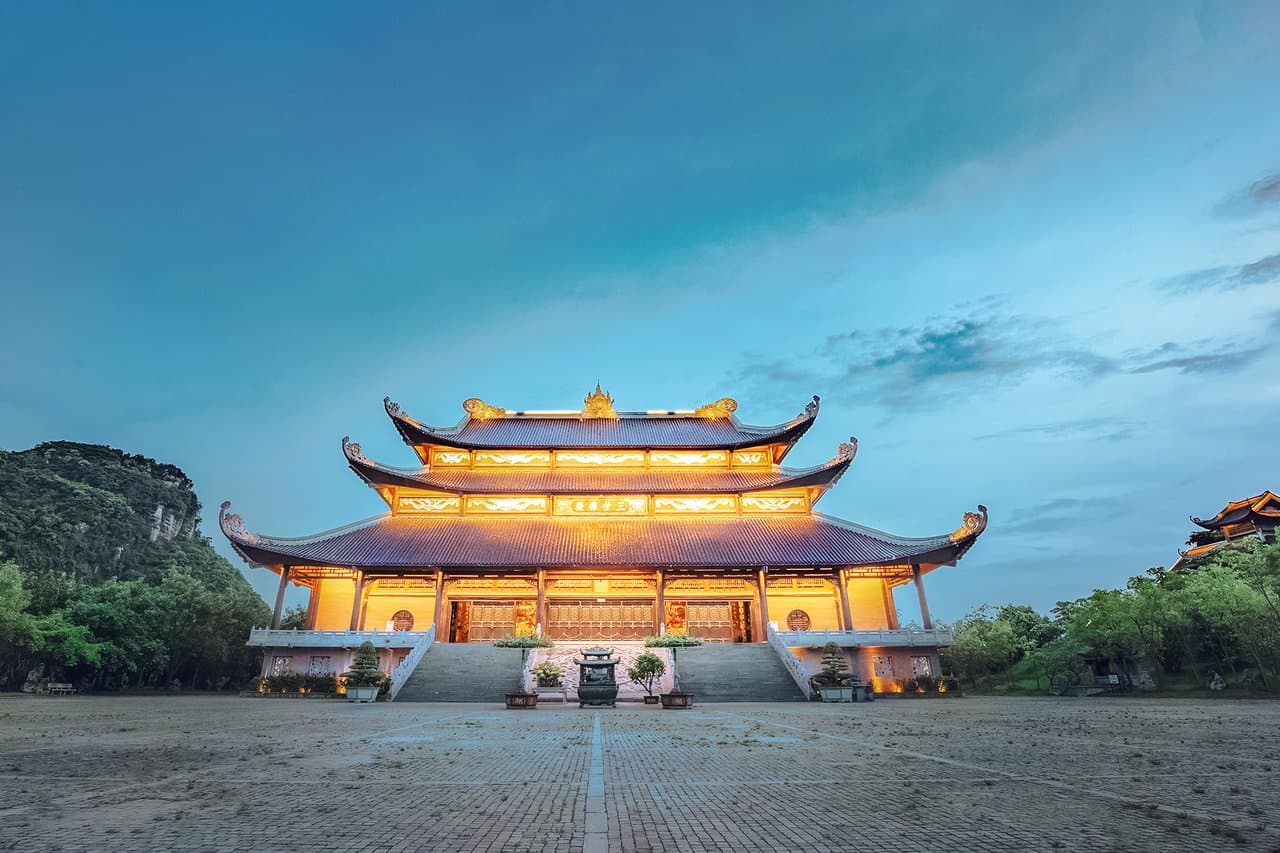
Bình Định Museum
Why Visit
This museum offers the best introduction to Cham culture in the region, with well-curated exhibits that explain the historical significance of artifacts you'll see at temple sites. For couples interested in culture, it provides shared learning and context that enhances subsequent temple visits. The collection includes unique pieces not found elsewhere, making it a foundational experience for understanding Bình Định's heritage.
Address: 26 Nguyễn Huệ, Trần Phú, Quy Nhơn. Hire a local guide at the entrance for deeper insights into Cham symbolism and history. The museum has limited English signage, so the guide is particularly valuable.
2
Ancient Capitals and Rural Landscapes
Day 2 of your journey
3
Coastal Culture and Culinary Discovery
Day 3 of your journey
4
Literary Heritage and Departure Preparation
Day 4 of your journey
Before You Go
Essential Travel Tips
Vietnamese is the primary language; learn basic phrases like 'xin chào' (hello) and 'cảm ơn' (thank you)
The local currency is Vietnamese Dong (VND); carry cash as many smaller establishments don't accept cards
Dress modestly when visiting temples and religious sites, covering shoulders and knees
Tap water is not drinkable; use bottled water even for brushing teeth
Bargaining is expected at markets but not in restaurants or with taxi meters
Download Grab app for reliable ride-hailing service in Quy Nhơn
Purchase local SIM card at airport for affordable data coverage
Carry sunscreen and hats as sun exposure can be intense, especially at coastal sites
When to Go
Best Time to Visit
The ideal time to visit Bình Định is from February to April when rainfall is lowest and temperatures are pleasant (25-30°C). This dry period offers comfortable conditions for exploring outdoor historical sites and beaches. May to August brings hotter temperatures (up to 35°C) and higher humidity, though coastal breezes provide some relief. The rainy season extends from September to January, with October and November experiencing the heaviest precipitation, which can affect travel to rural sites. Typhoon season peaks from September to November, occasionally causing disruptions. Cultural festivals like the Kate Festival (usually October) celebrate Cham heritage but occur during rainy season.
Local Insights & Tips
Bình Định maintains strong Cham cultural influences despite centuries of Vietnamese settlement. Respectful behavior at temple sites includes speaking quietly, not climbing on structures, and dressing appropriately. The local pace is generally relaxed compared to larger Vietnamese cities—embrace slower service and flexible schedules. Food culture emphasizes fresh seafood and balanced flavors rather than extreme spiciness. When dining, wait for the eldest to begin eating as a sign of respect. Tipping is not expected but appreciated for good service. The province has fewer international tourists than neighboring areas, allowing for more authentic interactions. Many residents in rural areas have limited English, so patience and basic Vietnamese phrases enhance experiences.