
4 DaysZambia
Ndola
Your 4-day travel guide
The optimal time to visit Ndola is during the dry season from May to October. During these months, rainfall is minimal, ...
Ndola•4D•All
Ndola, Zambia
Duration:4 Days
Activities:12
Best for:All travelers
Copperbelt Culture and Zambian Flavors
Ndola, Zambia's third-largest city, offers a compelling blend of industrial heritage and authentic Zambian culture. As the commercial hub of the Copperbelt Province, this city provides a genuine glimpse into Zambia's economic heart while maintaining a welcoming, accessible atmosphere. For couples interested in culture and food, Ndola delivers with historical sites that tell the story of Zambia's mining industry, local markets brimming with traditional crafts, and restaurants serving authentic Zambian cuisine. The city's manageable size makes exploration comfortable, allowing visitors to experience both urban energy and cultural depth without feeling overwhelmed by crowds or complexity.
Get Real Local Advice
Ask someone who actually lives in Ndola
1
Cultural Heritage and History
Day 1 of your journey
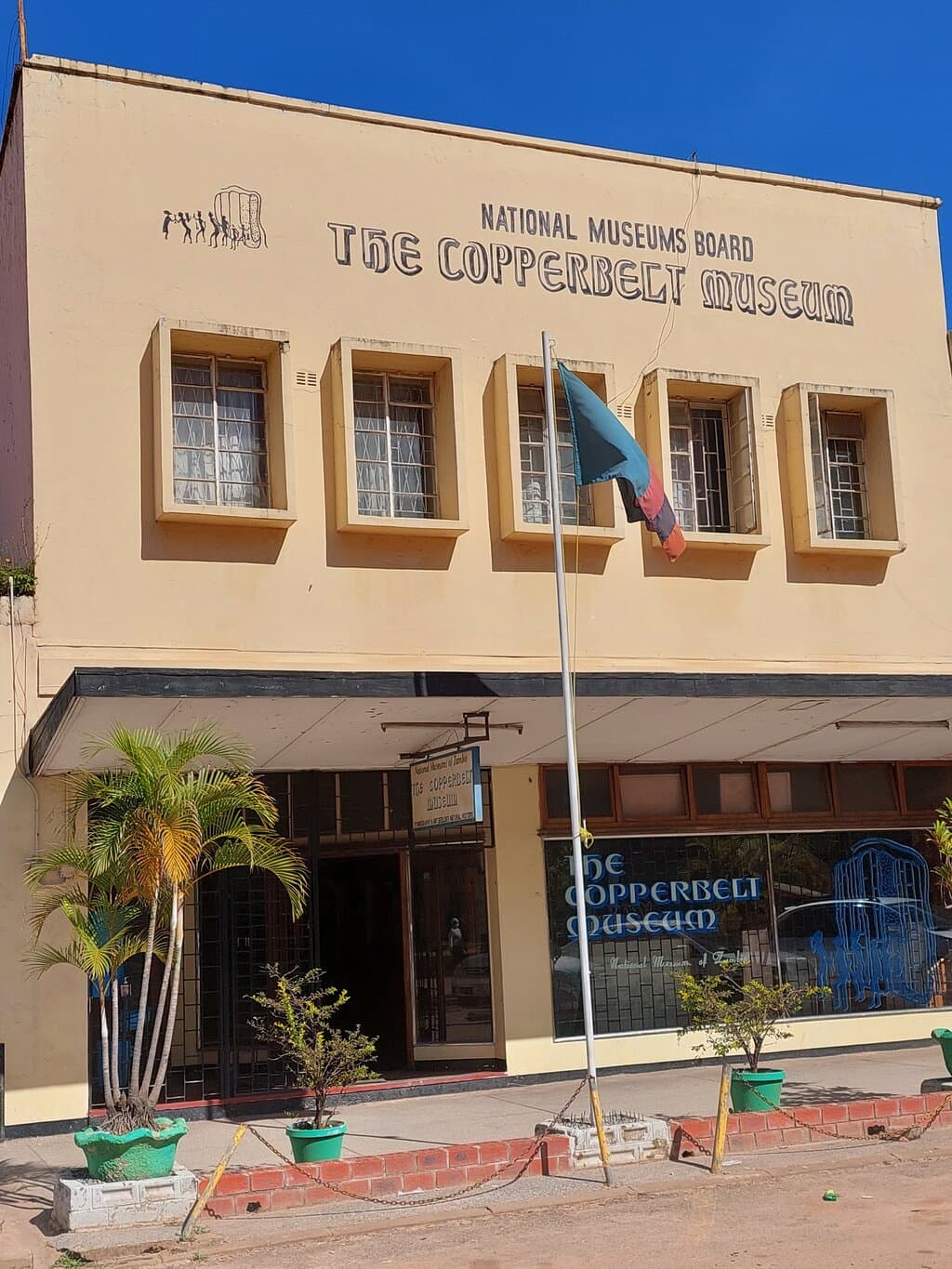
The Copperbelt Museum provides essential context about Ndola's identity as a mining city. This museum showcases the geological formations, mining equipment, and historical photographs that document Zambia's copper industry development. Visitors can examine mineral specimens, learn about traditional mining techniques, and understand the region's economic significance. The museum typically requires about 90 minutes to explore thoroughly. Morning visits are ideal to avoid afternoon heat and potential crowds from school groups. The exhibits offer a straightforward presentation of facts without excessive multimedia displays.
Copperbelt Museum
Why Visit
This museum is fundamental for understanding Ndola's purpose and character. As the cultural heart of the Copperbelt region, it explains why this city exists and how mining shaped Zambian history. For couples interested in culture, it provides essential background that will enrich your entire visit. The exhibits are well-organized and informative without being overwhelming, making it an excellent first stop to ground your understanding of the region.
Address: Buteko Avenue. The museum is located in the city center near government buildings. Check opening hours in advance as they can vary, and consider hiring a local guide at the entrance for more detailed explanations of the mining processes displayed.
2
Local Markets and Craft Exploration
Day 2 of your journey
3
Urban Exploration and Local Dining
Day 3 of your journey
4
Relaxation and Culinary Highlights
Day 4 of your journey
Before You Go
Essential Travel Tips
Zambian kwacha is the local currency; carry small denominations for market purchases and taxis
English is widely spoken in Ndola, making communication straightforward for visitors
Use registered taxis or ride-hailing services for transportation; agree on fares before departure
Dress modestly when visiting religious sites or government buildings
Tap water is not recommended for drinking; use bottled water throughout your stay
Power outages can occur; keep devices charged and carry a power bank
Visa requirements vary by nationality; check regulations before traveling
Medical facilities are available but travel insurance with medical coverage is recommended
When to Go
Best Time to Visit
The optimal time to visit Ndola is during the dry season from May to October. During these months, rainfall is minimal, temperatures are comfortable (typically 20-28°C during the day), and humidity is lower. The skies are generally clear, making outdoor activities and exploration more pleasant. The cooler months of June and July are particularly comfortable. The rainy season from November to April brings higher temperatures, humidity, and frequent afternoon thunderstorms that can disrupt outdoor plans. Cultural events and festivals often occur during the dry season as well.
Local Insights & Tips
Ndola operates at a more relaxed pace than larger African cities, with friendly residents generally willing to assist visitors. The city's culture reflects its industrial heritage, with practical attitudes and straightforward interactions. When visiting markets or smaller shops, polite greetings before transactions are appreciated. Handshakes are common greetings, often followed by inquiries about wellbeing. While English is the official language and widely used, learning a few Bemba phrases like 'Muli shani' (how are you) and 'Natotela' (thank you) shows cultural respect. Tipping is not mandatory but appreciated for good service in restaurants (5-10%). Sundays are quiet with reduced commercial activity as many residents attend church services.